



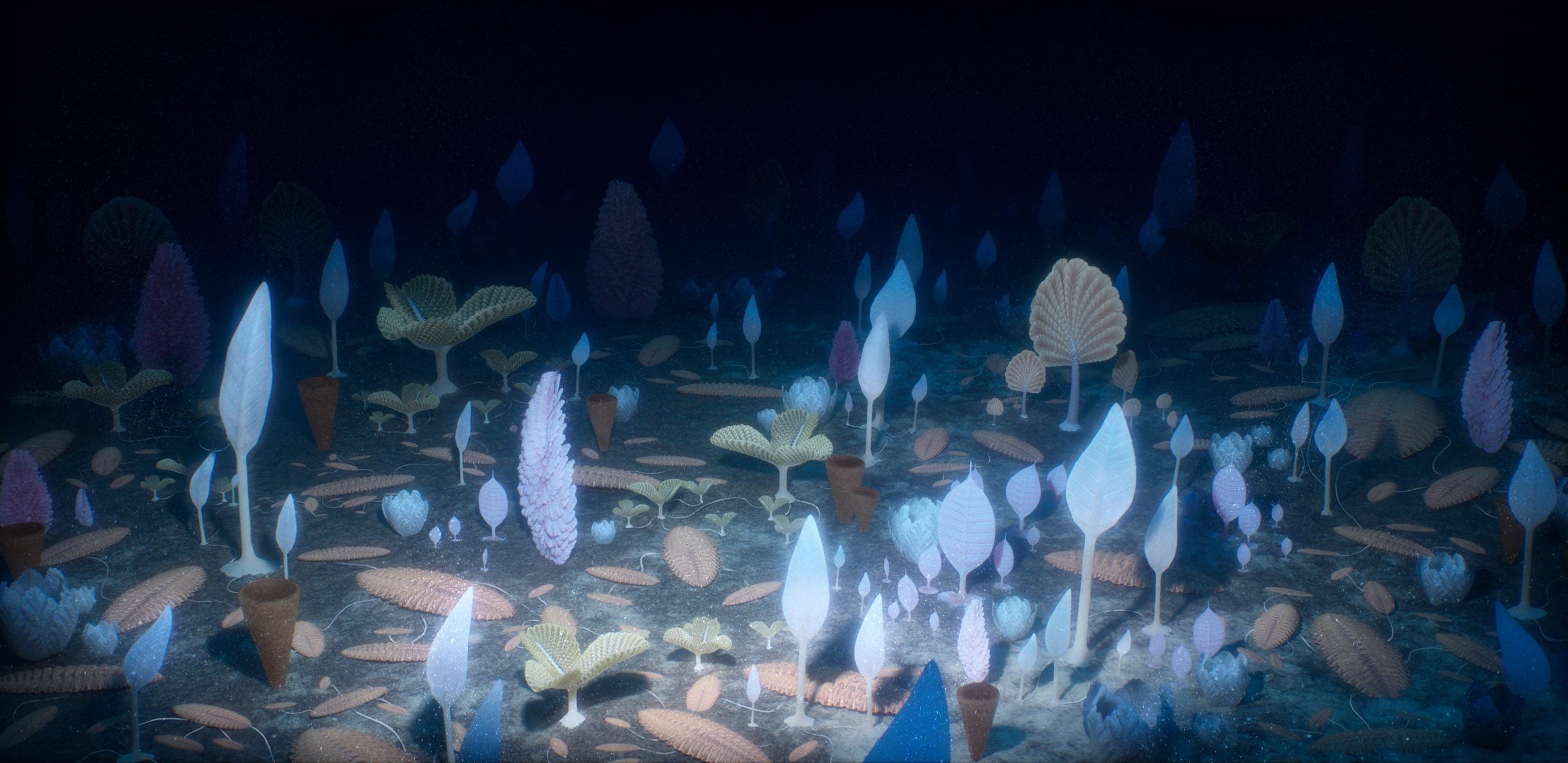
A new study suggests evolution stayed stuck for millions of years until sexual reproduction helped unleash a burst of biodiversity.
New research suggests that the earliest animals on Earth may have unintentionally slowed the pace of evolution for millions of years. Scientists have found that their reliance on asexual reproduction limited competition and reduced the pressure to adapt, keeping biodiversity low until sexual reproduction emerged and helped drive a surge in evolutionary change.
Researchers from the University of Cambridge analyzed fossils from some of the oldest known animals, dating back roughly 574 million years. Their findings, published in Nature Ecology and Evolution, offer a possible explanation for a long-standing mystery: why animal life first appeared on Earth but then remained relatively unchanged for millions of years before experiencing a dramatic increase in diversity.
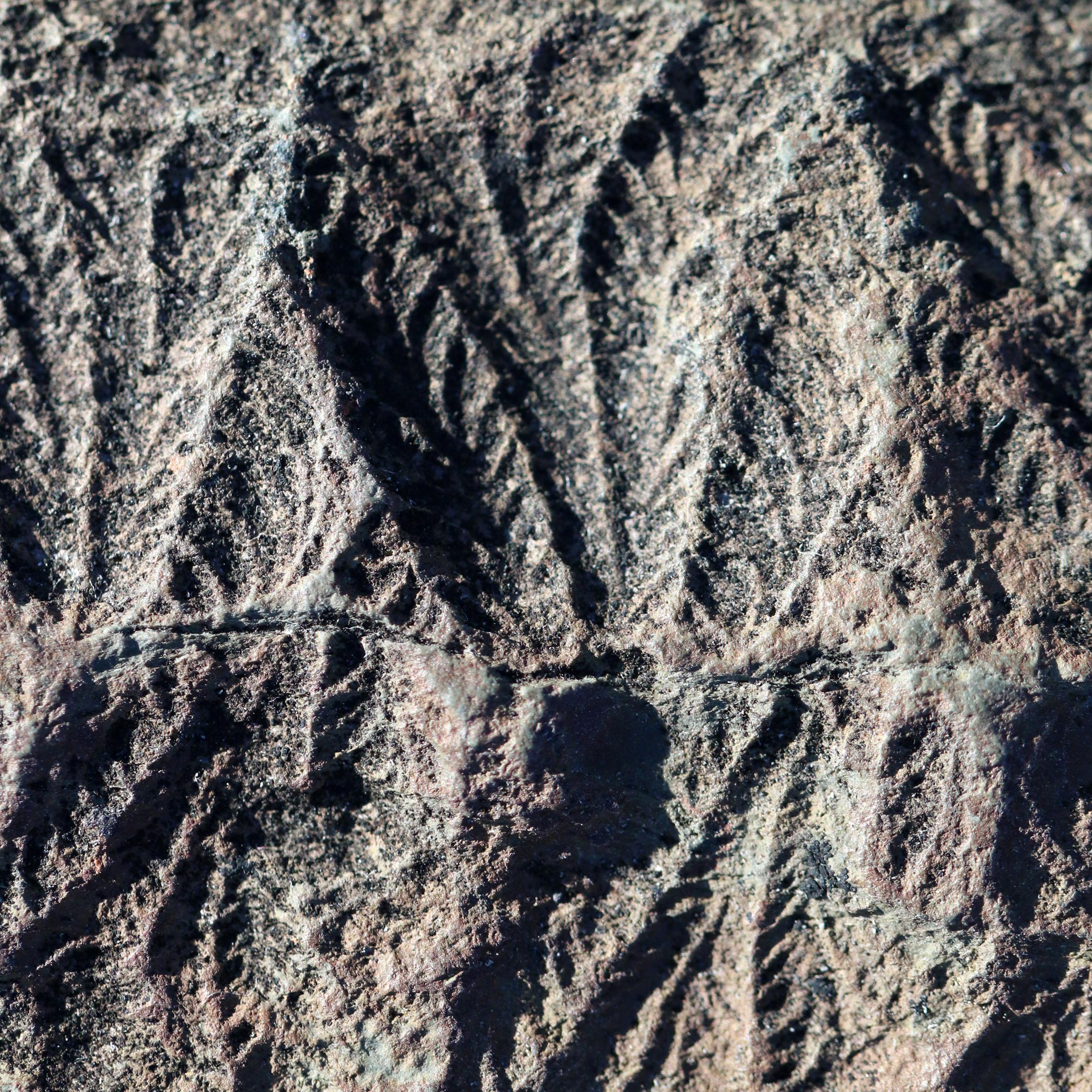
The Strange World of Earth’s First Animals
The Ediacaran period, which lasted from about 635 million to 539 million years ago, marked a major turning point in the history of life. After billions of years dominated by microscopic organisms, larger and more complex forms of life began to appear.
Among these early creatures was Fractofusus, an organism that could reach up to 2 meters in height, although many Ediacaran animals were much smaller. Despite being considered animals, they looked more like plants or ferns than anything living today. Scientists have found no evidence that they possessed mouths, internal organs, or the ability to move. Instead, researchers believe they absorbed nutrients directly from the surrounding seawater.
These unusual organisms vanished from the fossil record at the start of the Cambrian period around 540 million years ago, making it difficult for scientists to connect them to any modern group of animals.
How Cloning Limited Biodiversity
Previous studies showed that many Ediacaran animals reproduced asexually. Rather than producing offspring through sex, they spread by sending out stolons, or runners, much like modern strawberry plants. In the nutrient-rich oceans of the time, this strategy worked remarkably well.
“Life was pretty nice during the Ediacaran, so the need for sex was rather limited,” said lead author Dr. Emily Mitchell from Cambridge’s Department of Zoology. “There was relatively little competition, so there was no real pressure to change anything.”
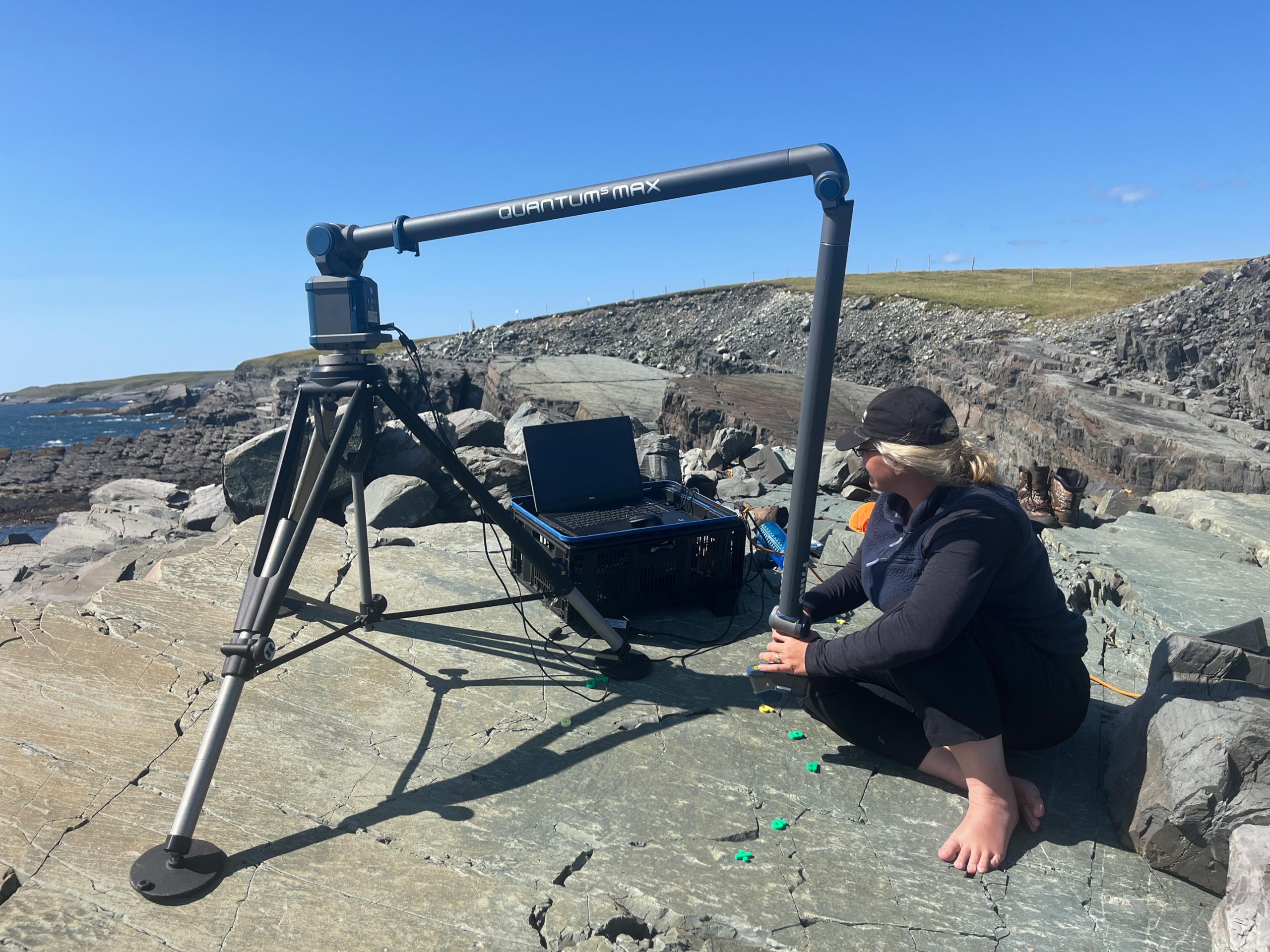
To investigate why evolution appeared to slow during this period, Mitchell and co-author Professor Andrea Manica examined fossil communities from Mistaken Point in Newfoundland, one of the world’s most important Ediacaran fossil sites.
The team combined laser scanning, spatial analysis, and artificial intelligence to study how these ancient communities were organized. They first demonstrated that stolon-based reproduction reduced competition among neighboring organisms. The researchers then created computer simulations to explore how early animal ecosystems might have developed under different reproductive strategies.
Thousands of simulations were run, while a simple neural network identified which scenarios most closely matched patterns found in the fossil record. Using a method called Approximate Bayesian Computation, the researchers worked backward from real fossil data to estimate how far organisms spread and how intensely they competed for resources.
Their results showed that limited dispersal caused by asexual reproduction could explain both the low number of species present in early animal communities and the long period of evolutionary stagnation.
Stress and Competition Changed the Course of Evolution
Competition and environmental pressures have long been powerful forces shaping evolution. However, the runner-based reproduction used by many Ediacaran animals reduced the need for direct competition.
“If you’re connected to your neighbor by these runners, then you’re sharing nutrients, and you don’t need to compete with them,” said Manica.
Over time, conditions began to change. As life expanded from deeper waters into shallower marine environments, organisms encountered new challenges. Tides, storms, temperature fluctuations, and changing nutrient levels created a much less stable world.
These harsher conditions increased competition and placed greater stress on early animals.
“If you’re suddenly in an environment where you’re essentially getting killed a couple of times per year, then that changes everything,” said Mitchell. “Stress essentially leads to sexual reproduction, and when that happens, we can see a massive increase in dispersal distances as animals attempt to colonize new areas due to an increase in competition.”
According to the researchers, this shift toward sexual reproduction allowed animals to spread farther, occupy new habitats, and compete more effectively. Those changes were accompanied by a sharp increase in biodiversity, creating what scientists describe as a second wave of Ediacaran evolution.
The Road to the Cambrian Explosion
As early animals adapted to new environments and adopted new reproductive strategies, diversification accelerated. This evolutionary momentum continued into the Cambrian period, when the emergence of mobile animals drove even more rapid change.
The study suggests that sexual reproduction may have been one of the key innovations that helped transform life on Earth from relatively simple communities into the diverse animal ecosystems that followed.
Reference: “The influence of reproductive mode on resource competition and diversity patterns in Ediacaran early animal communities” by Emily G. Mitchell, and Andrea Manica, 9 June 2026, Nature Ecology & Evolution.
DOI: 10.1038/s41559-026-03094-2
The research was supported by the Natural Environment Research Council (NERC), part of UK Research and Innovation (UKRI). Emily Mitchell is a Fellow of Newnham College, Cambridge. Andrea Manica is a Fellow of Clare College, Cambridge.
Never miss a breakthrough: Join the SciTechDaily newsletter.
Follow us on Google and Google News.
Full article can be found at: https://scitechdaily.com/why-evolution-stalled-for-millions-of-years-before-suddenly-exploding/


