



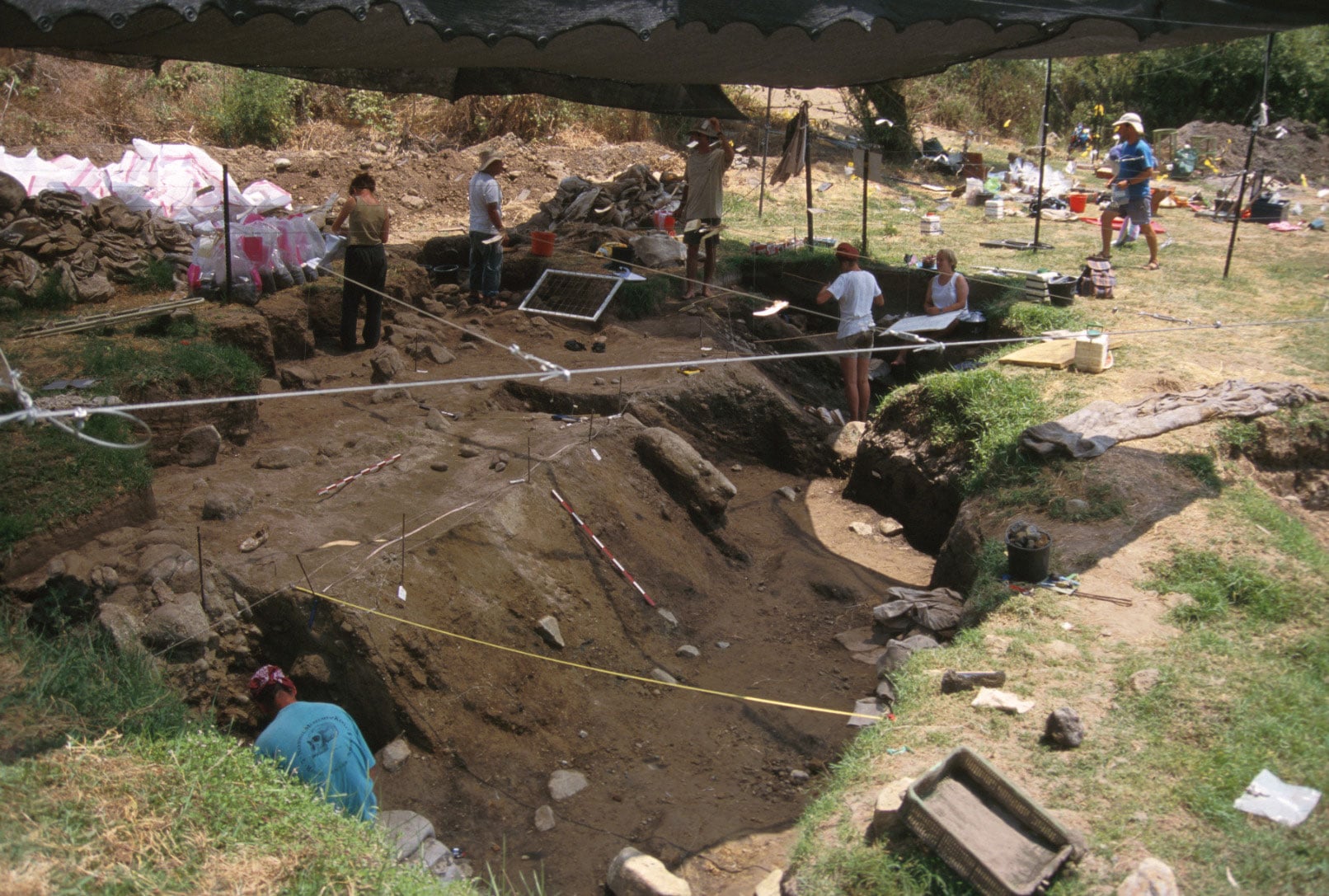
Rare charcoal fragments from an ancient lakeshore campsite are offering new clues about fire use, resource management, and the environmental knowledge of some of humanity’s earliest fire users.
Long before cities, farms, or written language existed, some of humanity’s ancestors had already discovered a resource that would transform the course of human evolution: fire. But controlling fire was only part of the challenge. Keeping it burning required a reliable supply of fuel, and new research suggests that access to firewood may have helped determine where people lived nearly 800,000 years ago.
At the prehistoric site of Gesher Benot Ya’aqov (GBY) in northern Israel, scientists have uncovered rare clues preserved in ancient charcoal fragments. The findings reveal not only what fueled some of the world’s earliest known campfires, but also how these early humans organized their lives around a lakeshore environment rich in food, water, raw materials, and fuel.
The study, published in Quaternary Science Reviews, analyzed one of the oldest and most extensive charcoal collections ever recovered from a prehistoric site. The international research team, which included scientists from Israel, Spain, and Germany, found evidence that the inhabitants of GBY used the landscape in surprisingly practical ways, taking advantage of natural resources that made long-term occupation possible.
A Lakeshore That Had Everything
Around 780,000 years ago, the area looked very different from today. GBY sat on the edge of ancient Lake Hula, a freshwater ecosystem surrounded by wetlands, woodland, and abundant wildlife. For hunter-gatherers, it would have been an exceptionally attractive place to live.
Archaeologists have identified more than 20 occupation layers at the site, showing that generations of Acheulian hominins repeatedly returned to the same location over thousands of years. Excavations led by Prof. Naama Goren-Inbar of the Hebrew University of Jerusalem have uncovered stone tools, plant foods, fish remains, and the bones of large animals, providing one of the most detailed records of early human life anywhere in the world.
One of the site’s most remarkable discoveries is the remains of a straight-tusked elephant, an animal that could weigh several times more than a modern African elephant. The arrangement of the bones suggests it was butchered at the site, offering a rare glimpse into large-game hunting and processing during the Lower Paleolithic.
The Hidden Story Inside Ancient Charcoal
While elephant bones and stone tools tend to attract attention, researchers turned their focus to something far less dramatic: charcoal.
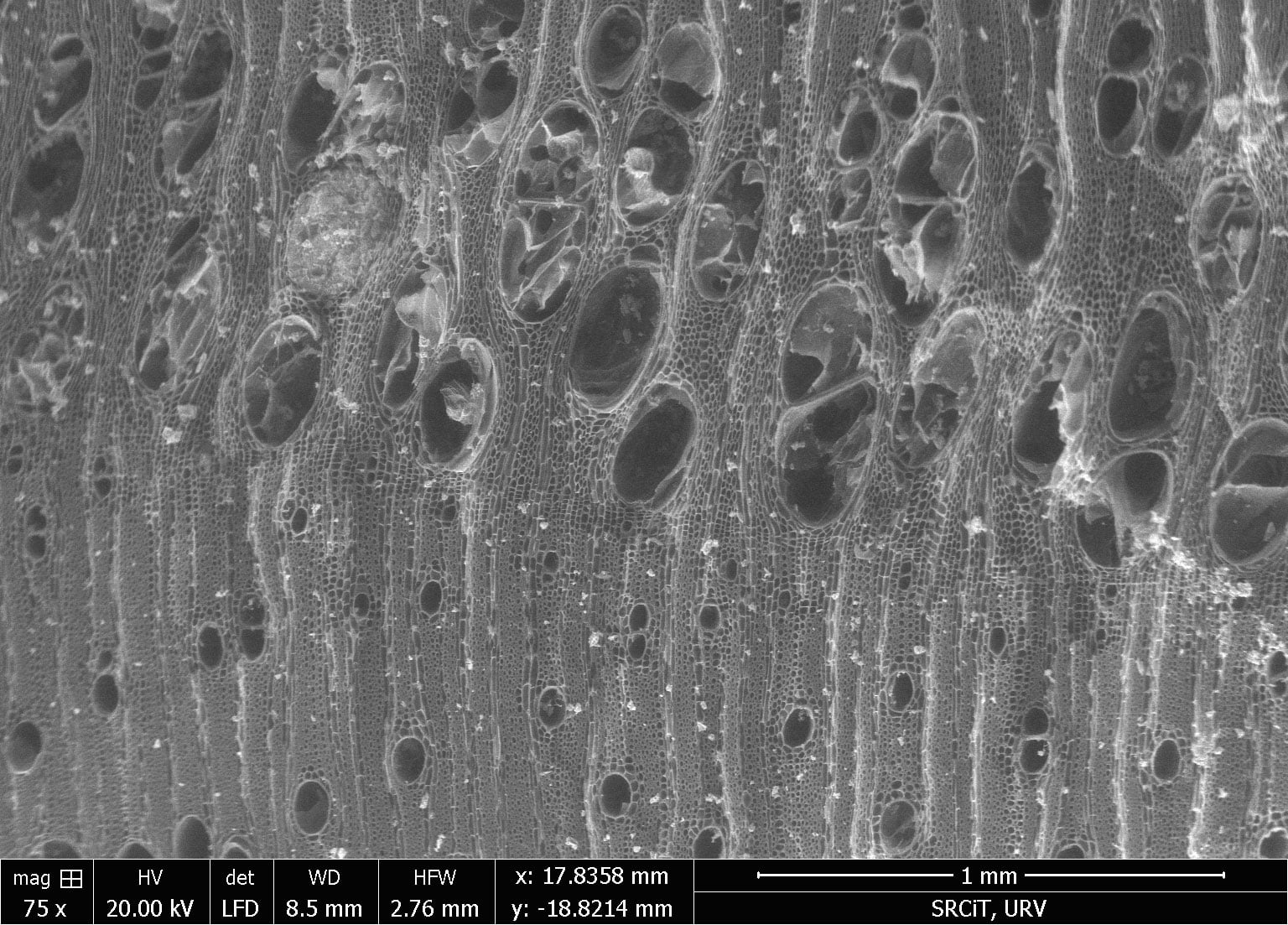
Charcoal rarely survives for hundreds of thousands of years, making the GBY collection extraordinary. Because wood reflects the plants growing in the surrounding environment, each fragment serves as a tiny record of the ancient landscape.
The team examined 266 charcoal pieces under a microscope, identifying the species from which they originated. The results revealed a surprisingly diverse environment containing ash, willow, grapevine, oleander, olive, oak, pistachio, and pomegranate.
The pomegranate finding represents the earliest known evidence of the fruit tree in the Levant, extending the documented history of pomegranate in the region by hundreds of thousands of years.
Perhaps even more surprising was the diversity of the charcoal itself. The burned wood represented a wider range of plant species than other botanical remains found at the site, including seeds and fruits.
Why Firewood May Have Shaped Human Settlement
The study challenges the idea that these early humans carefully selected particular tree species for fuel. Instead, the evidence points to a simpler and highly effective strategy.
Much of the wood appears to have come from driftwood naturally deposited along the lake’s edge. Branches and logs carried by water would have accumulated on the shoreline, creating an easily accessible source of fuel that required little effort to collect.
Researchers suggest that the constant availability of firewood may have been one reason why groups repeatedly returned to GBY. The site offered a rare combination of resources concentrated in a single location, reducing the energy needed to meet daily needs.
More Than Warmth and Light
The study also sheds light on how fire was used. Researchers found that concentrations of charcoal overlapped with clusters of fish remains, especially the teeth of large carp. This association provides strong evidence that fish were being cooked at the site nearly 800,000 years ago using controlled fire.
The results support the idea that the GBY hominins possessed advanced cognitive abilities. They could manage fire, organize activities around it, and incorporate it into complex food-gathering and food-processing strategies. At the same time, while activities such as hunting and tool production likely required significant planning, collecting firewood appears to have been a simpler task driven mainly by what was readily available.
Taken together, the evidence portrays a highly capable community that repeatedly returned to a resource-rich location that met many of its needs.
The charcoal assemblage from GBY offers a rare opportunity to explore the connections between fire use, environmental conditions, and hominin behavior. The findings refine scientists’ understanding of early fire use and highlight the important role local resources played in shaping settlement and survival strategies during the Middle Pleistocene.
Reference: “Paleoenvironmental and behavioral insights into firewood selection by early Middle Pleistocene hominins” by Ethel Allué, Naama Goren-Inbar, Yoel Melamed, Brigitte Urban and Nira Alperson-Afil, 3 April 2026, Quaternary Science Reviews.
DOI: 10.1016/j.quascirev.2026.109973
Never miss a breakthrough: Join the SciTechDaily newsletter.
Follow us on Google and Google News.
Full article can be found at: https://scitechdaily.com/scientists-uncover-what-kept-humanitys-first-campfires-burning-780000-years-ago/


