



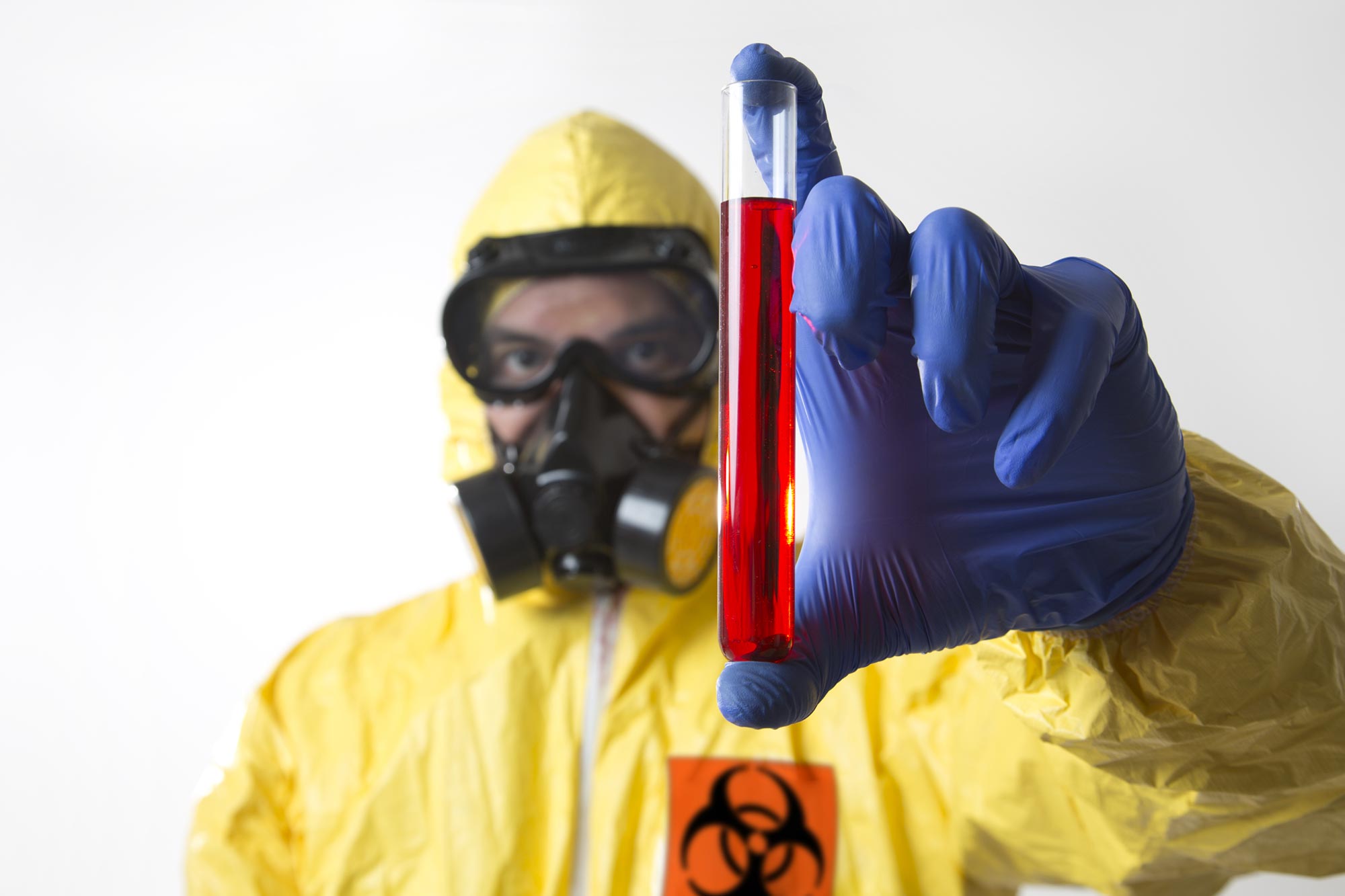
Ebola and hantavirus can look like the flu at first, making early detection and rapid infection control essential to saving lives.
Two dangerous viral diseases, Ebola and hantavirus, have drawn renewed attention in recent weeks because of their potential to cause severe illness and their importance to public health. Although they are very different diseases, both can begin with similar early symptoms and require strict infection prevention and control (IPAC) measures to limit the risk of transmission.
To help clinicians recognize and manage these infections, two concise articles published in CMAJ (Canadian Medical Association Journal) outline the latest guidance on diagnosis, treatment, and infection control for each disease.
Hantavirus Can Spread From Rodents and Has No Specific Treatment
Hantavirus is a nationally notifiable disease in Canada, meaning every confirmed case must be reported to public health authorities. Canada records about four to five confirmed cases each year, most of which are linked to exposure to rodents in agricultural areas of Manitoba, Saskatchewan, Alberta, and British Columbia. One strain, known as the Andes virus, is unusual because it can spread from person to person.
The disease presents differently depending on the strain involved. In the Americas, including the Andes virus that has recently been in the news, hantavirus causes hantavirus cardiopulmonary syndrome. European and Asian strains instead cause hemorrhagic fever with kidney dysfunction. Both forms typically have an incubation period of two to four weeks before symptoms appear, with early signs including fever, headache, muscle aches, and abdominal pain.
Doctors diagnose hantavirus using serology and polymerase chain reaction (PCR) testing, which are performed by the National Microbiology Laboratory in Winnipeg.
There is currently no approved antiviral medication or vaccine for hantavirus. Treatment focuses on supportive care to relieve symptoms and help patients recover.
Infection Control Is Essential for Suspected Hantavirus Cases
Because the Andes strain can spread between people, suspected cases require strict infection prevention measures. Patients should be isolated using airborne, droplet, and contact precautions. Infectious disease specialists should be involved in patient care, and public health authorities must be notified.
Ebola Remains a Serious Global Health Threat
Ebola virus disease has caused periodic outbreaks in Central and West Africa since it was first identified in 1976. Three main Ebola viruses are known to infect humans, and researchers believe fruit bats are the natural source of the virus.
The disease spreads through direct contact with bodily fluids such as blood, vomit, diarrhea, and sperm, as well as contaminated surfaces and objects. The current outbreak in the Democratic Republic of Congo involves Bundibugyo ebolavirus, which has a reported fatality rate of 30% to 50%.
Although Ebola is often associated with severe bleeding, fewer than half of patients develop hemorrhagic symptoms. More common early signs include a fever of 38°C or higher, fatigue, muscle pain, and gastrointestinal symptoms. The incubation period ranges from two to 21 days, and PCR testing is used to confirm infection.
Testing, Protective Equipment, and Medical Advances
Anyone with compatible symptoms who has recently traveled to countries experiencing Ebola outbreaks, or who has had close contact with infected individuals, bats, primates, or game animals from affected regions, should be evaluated and tested.
Health Canada recommends rigorous infection prevention and control procedures for suspected Ebola cases. These include screening and assessment protocols along with full personal protective equipment, including a fit tested N95 respirator, face shield, gloves, and fluid impermeable protective clothing.
Researchers have made important progress against some forms of Ebola. Highly effective vaccines are available to prevent Zaire ebolavirus infection, and two antiviral drugs have lowered mortality from about 50% to 35%. However, no approved vaccines or medications currently exist to prevent or treat Bundibugyo ebolavirus, making supportive care the primary treatment option for patients infected with that strain.
References:
“Ebola virus disease” by Maxime J. Billick, William K. Silverstein and Isaac I. Bogoch, 22 June 2026, CMAJ.
DOI: 10.1503/cmaj.260834
“Hantavirus” by Marie-Laure Oberweis, Ana C. Blanchard and Esther Vaugon, 22 June 2026, CMAJ.
DOI: 10.1503/cmaj.260789
Never miss a breakthrough: Join the SciTechDaily newsletter.
Follow us on Google and Google News.
Full article can be found at: https://scitechdaily.com/these-two-deadly-viruses-can-look-like-the-flu-at-first/


