



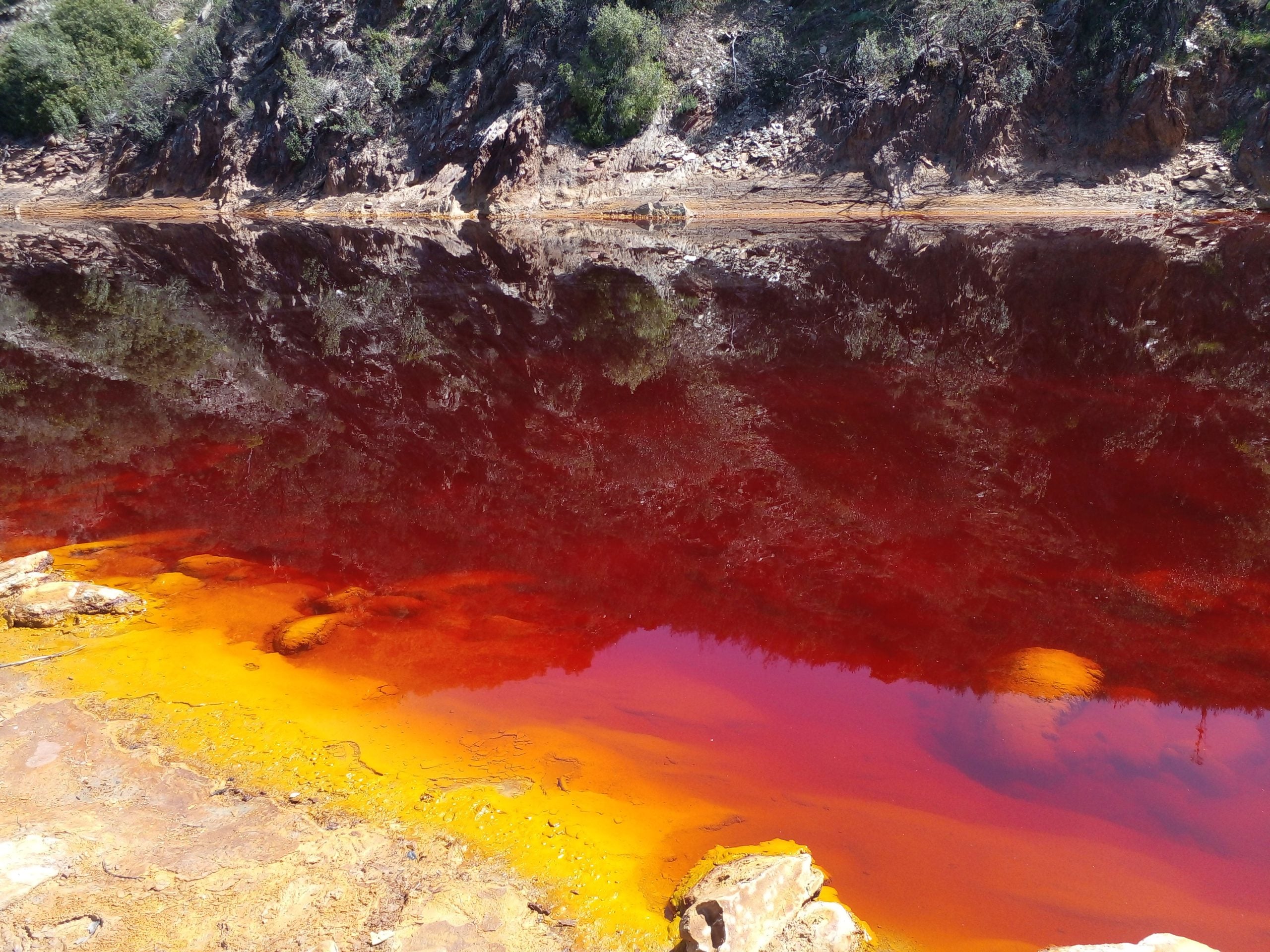
The first comprehensive peer-reviewed academic assessment of CO2 emissions from neutralizing acid mine drainage in metal mining produced a startling result.
Long after a metal mine stops operating, exposed minerals can continue reacting with water and releasing carbon dioxide for centuries or even millennia. Those emissions are rarely included in conventional mining carbon footprints, but new research suggests they could eventually exceed existing estimates by more than tenfold in one heavily mined region.
Researchers at the University of St Andrews reached that conclusion after examining carbon dioxide released when acid mine drainage is neutralized. Published in Environmental Science and Technology, the work is the first comprehensive quantification of this emission source from metal mining in peer-reviewed academic literature.
Mine pollution releases overlooked carbon
Acid mine drainage is a common form of mining pollution in which water flowing from mined areas becomes highly acidic and contaminated with toxic metals. It develops when mining exposes certain minerals (metal sulfides) that react with oxygen-rich surface water.
As this acidic water interacts with surrounding rocks and minerals, neutralization reactions can release CO2. Remediation methods often use minerals to neutralize acid mine drainage in engineered systems, which can produce additional CO2. Although this chemistry was already understood, the total scale of the resulting emissions had not been measured in detail.
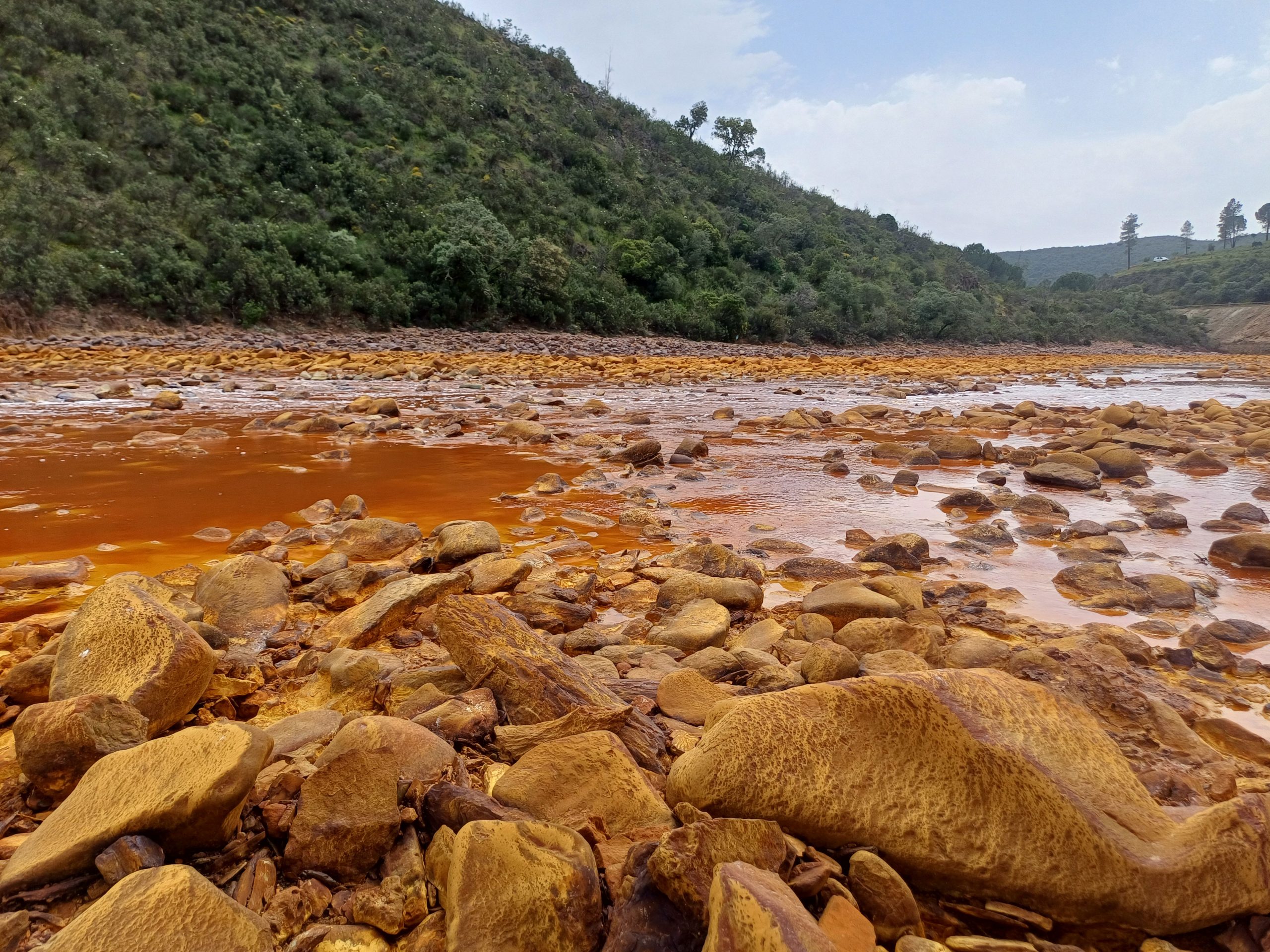
To estimate that hidden carbon source, the researchers investigated 82 active and historic mines in southeastern Spain, a region considered to produce the world’s highest rates of acid mine drainage. They analyzed the chemistry of rivers draining the area to determine how much acidic water was generated, how it was neutralized, and how much CO2 those reactions released.
The researchers also followed the rivers downstream, where acidic water mixes with alkaline seawater in an estuary and triggers further CO2 emissions. Laboratory experiments that recreated the mixing of river water and seawater supported the field measurements.
Hidden emissions rival copper production
When all of these processes were included, the researchers found that neutralizing acid mine drainage has already released roughly as much CO2 as the estimated conventional carbon footprint of copper production in the region.
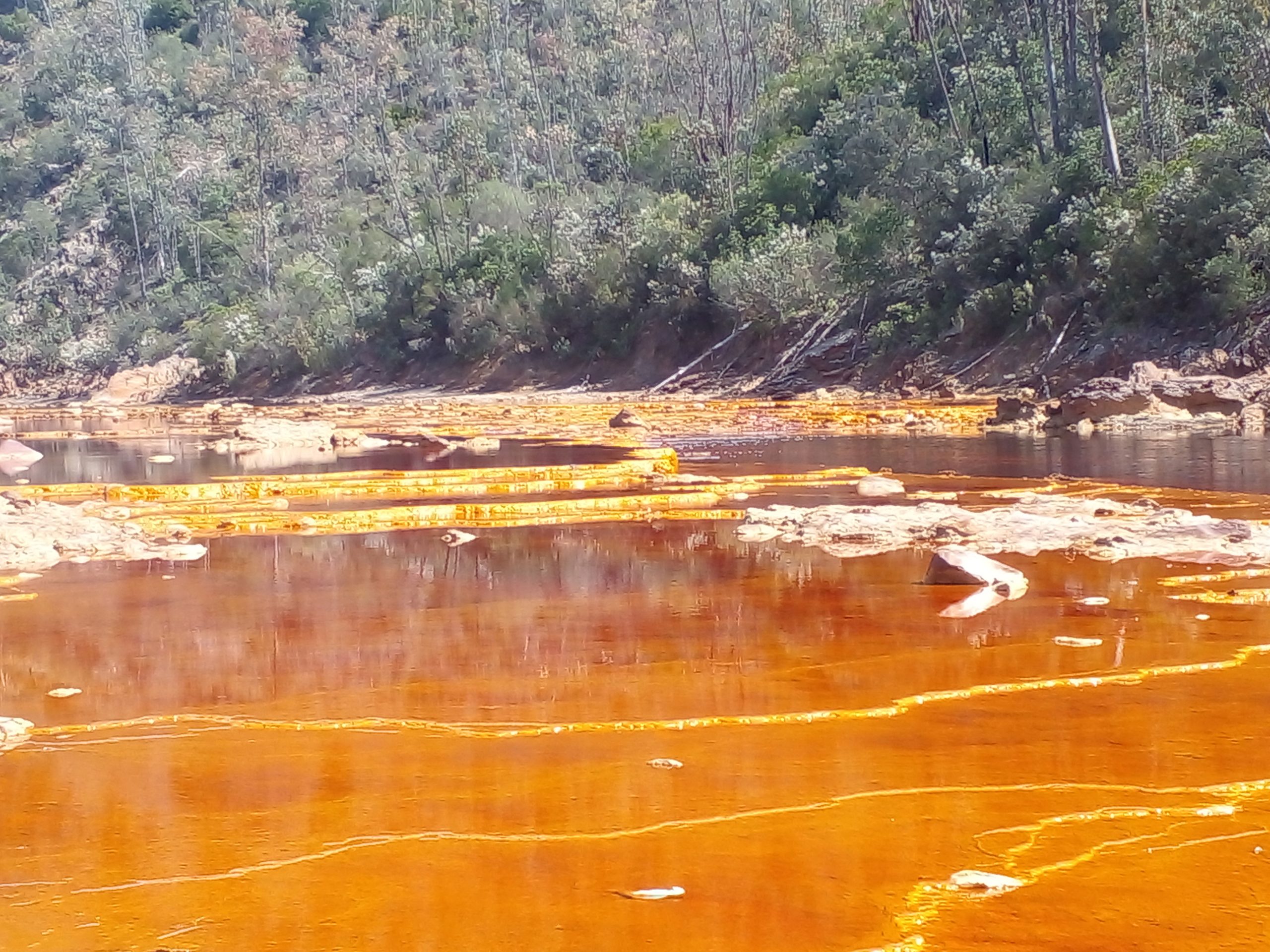
Those emissions do not end when mining stops. Metal sulfide minerals brought to the surface can require centuries or millennia to react completely with oxygen-rich water, allowing acid mine drainage and its associated CO2 emissions to continue far into the future.
Mining’s carbon legacy can last millennia
Dr. Luke Brigstock, senior author of the project from the School of Earth and Environmental Science, said: “This is a shocking result. We estimate that the full emission budget for acid mine drainage by the time all the extracted sulfides have ‘weathered’ to produce acid mine drainage – will be more than 10 times higher than conventional carbon footprints for copper production. This presents a challenge for reaching net zero greenhouse gas emissions given the need for increased metal production to supply green technologies. It’s essential that we now look at changing how acid mine drainage is remediated to reduce these emissions”
Over the long term, this largely unaccounted source is expected to dominate the carbon footprint of copper production in the studied region. The researchers noted that emissions will probably be smaller in other mining areas, but the findings show why acid mine drainage should be included when evaluating carbon emissions across the metal mining industry.
Demand for mined metals is expected to increase as countries expand solar power, wind energy, electrical grids, and other technologies needed for the green transition. Reducing emissions from metal production is therefore an important part of reaching net zero, making it increasingly necessary to measure and address this overlooked source of mining-related CO2.
Reference: “Carbon Dioxide Emissions from Acid Mine Drainage Neutralization Are a Major Component of Metal Mining Carbon Footprints” by Stanisław Kołodziejski, Eva E. Stüeken, Laura Sánchez López, Jose Miguel Nieto, Carlos R. Cánovas, Rafael Pérez-López and Luke Bridgestock, 10 July 2026, Environmental Science & Technology.
DOI: 10.1021/acs.est.6c05684
Never miss a breakthrough: Join the SciTechDaily newsletter.
Follow us on Google and Google News.
Full article can be found at: https://scitechdaily.com/a-hidden-source-of-metal-mining-emissions-could-be-10x-larger-than-estimated/


