



Perfectly preserved ‘phytolith’ plant crystals reveal that Indigenous Australians brought grasses into a cave for ritual burning as far back as the last Ice Age.
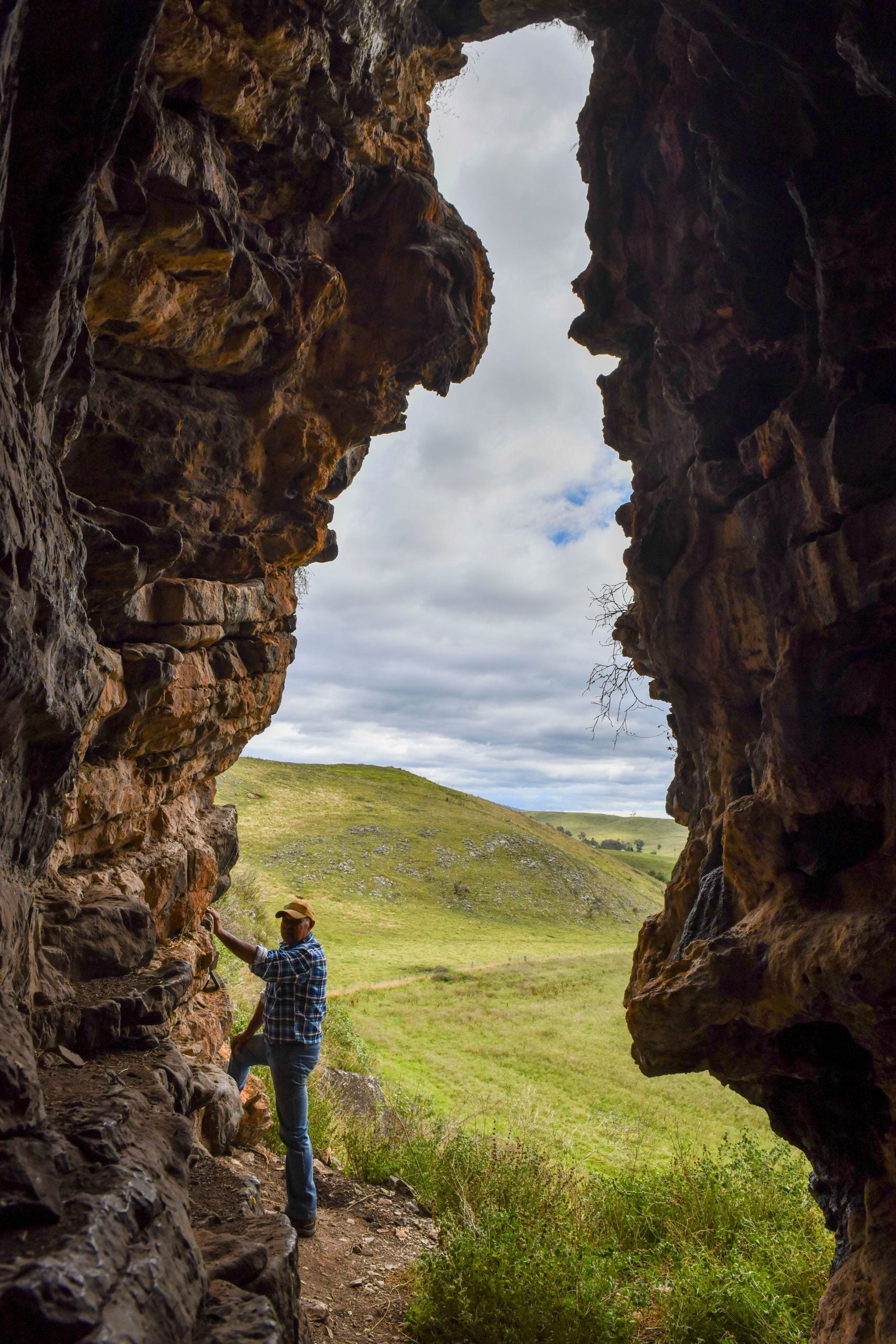
Layer after layer of ash lies buried inside Cloggs Cave, preserving evidence that people repeatedly carried whole grasses underground and burned them there for thousands of years. The cave is within the traditional lands of the GunaiKurnai, an Australian Aboriginal nation and the acknowledged custodians of Gippsland and the southern Victorian Alps.
GunaiKurnai oral traditions and 19th-century ethnographic accounts describe caves in this region as places where powerful learned women and men known as ‘mulla-mullung,’ along with other spiritual practitioners, performed rituals involving magic, healing, and cursing. Archaeological evidence indicates that Old Ancestors visited Cloggs Cave for such activities across the past 25,000 years.
“Here we show that the Old Ancestors selected whole grasses from the wider landscape and carried them into Cloggs Cave to spread out in thin layers and burn. Over time, sediments covered these burned layers, preserving each layer on top of another over thousands of years,” said Dr. Elle Grono, a postdoctoral researcher at the Australian National University and the corresponding author of a new study published in Frontiers in Environmental Archaeology.
Grono worked with researchers from Australia, France, and New Zealand to examine phytoliths, microscopic silica structures produced within plant tissues, recovered from buried cave deposits. The research formed part of archaeological excavations conducted in 2019 and 2020 to determine how people gathered and used plants inside Cloggs Cave.
The GunaiKurnai Land and Waters Corporation requested the excavations. Members of the GunaiKurnai community participated in designing the study, conducting fieldwork, interpreting the evidence, and communicating the findings.
“Unlike pollen, which is dispersed by wind or insects, phytoliths mostly accumulate at the spot where a plant decays. No plants grow inside the cave due to a lack of light, so the phytoliths must have been carried in by people or by animals such as possums on their fur or through their scats,” explained Grono. “We focused on half-burned phytoliths from ashy layers, which can only have been brought in by people, as unburnt ones might have arrived through either means.”
Ash layers preserve repeated visits
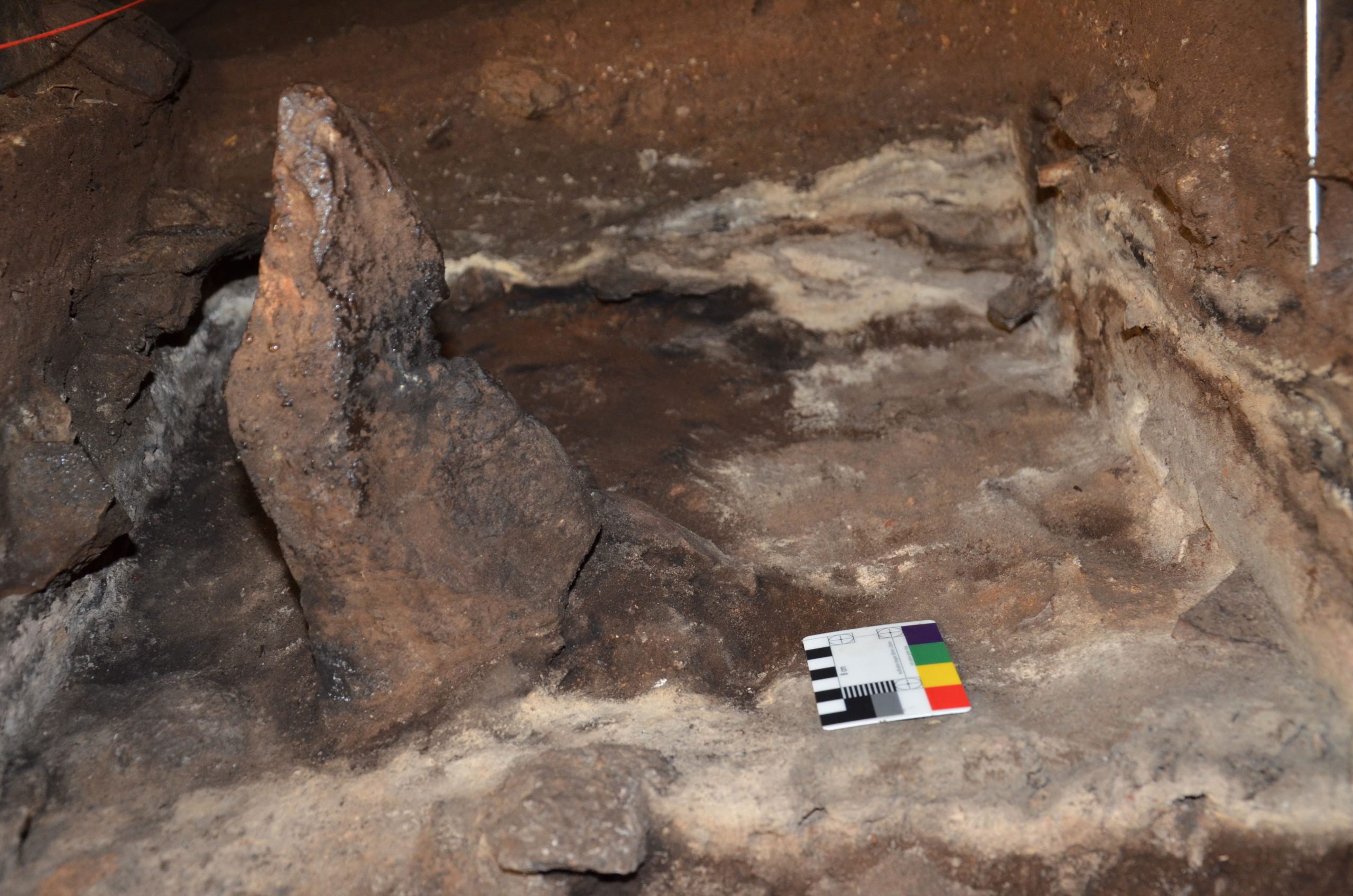
Using microscopy, the researchers classified thousands of phytoliths collected from two excavated pits measuring 1.5 meters and 2.3 meters deep. The upper sections contained 73 thin ash layers deposited by people between approximately 4,400 and 1,600 years ago.
The dates were established through optically stimulated luminescence and accelerator mass spectrometry carbon dating. Within the ash deposits, researchers also found an unexpected 28-cm-high standing stone. Later analysis showed that Old Ancestors had erected it inside the cave for ritual purposes about 2,000 years ago.
Whole grasses were deliberately selected
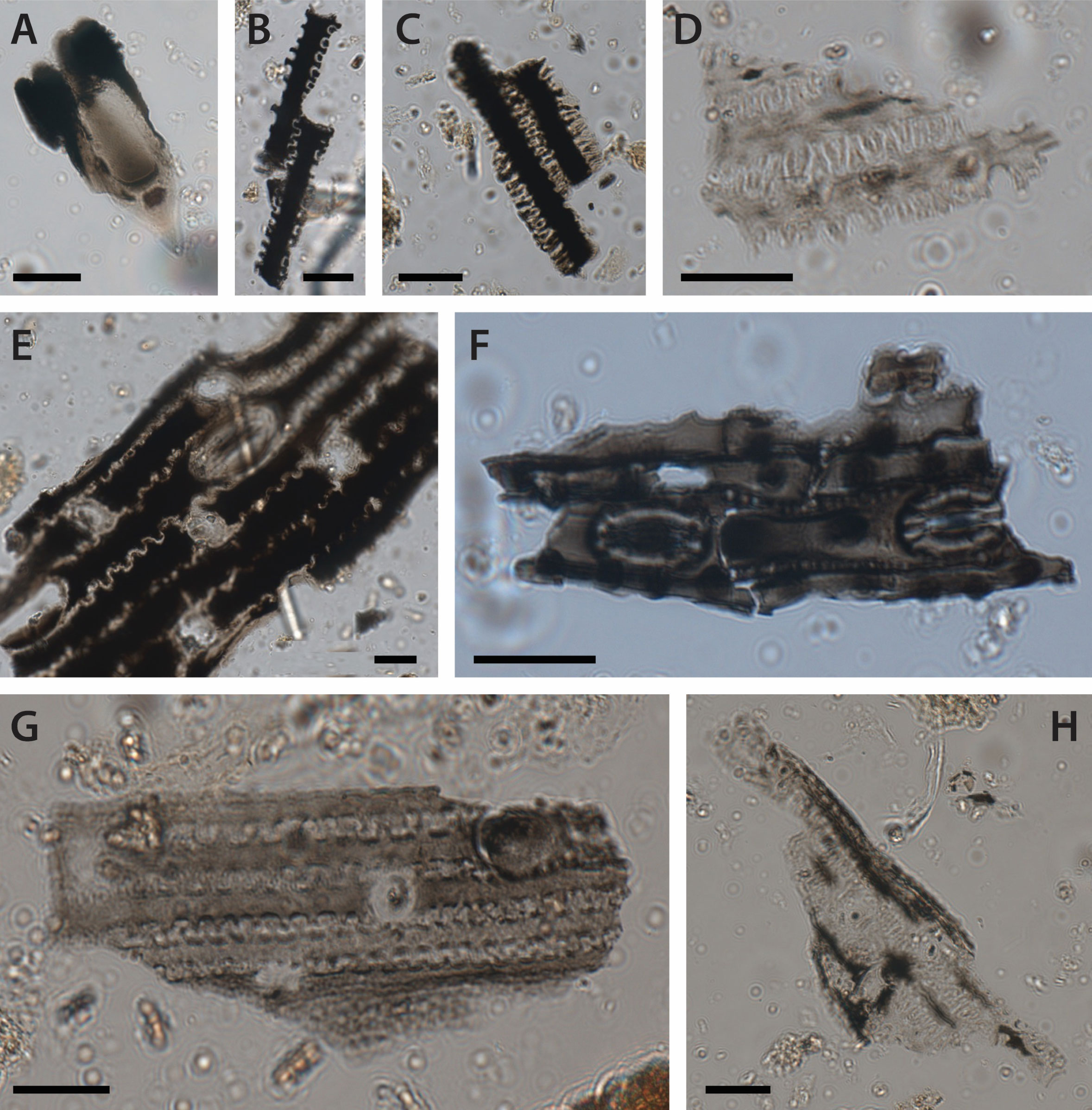
The researchers identified 29 phytolith types representing grasses, herbs, and woody plants. Most remained exceptionally well preserved, including fragile silica structures such as plant hair cells.
Grass phytoliths dominated the deposits, accounting for as much as 97% of the material. They included Pooideae grasses, which favor temperate or cool conditions, and Panicoideae grasses, which generally thrive in warm, humid environments.
Phytoliths from Chloridoideae, a group of drought-resistant grasses adapted to warm and dry environments, were less abundant. Evidence from woody plants and herbs was uncommon.
The pattern showed that Old Ancestors did not bring plants into the cave at random. They largely avoided the many species growing in the riparian forest and open woodland that surrounded Cloggs Cave before European settlement. Instead, they deliberately collected grasses that would have grown a short distance from the entrance.
“The phytoliths found at Cloggs Cave were from different parts of grass plants such as stems, leaves, flowers and roots, indicating that whole grasses were brought in, including the inedible parts,” said Grono.
Ritual burning continued for millennia
As much as 18% of the phytoliths showed signs of burning or melting. Because this evidence appeared throughout the dated deposits, the findings indicate that people repeatedly carried plants into Cloggs Cave and burned them over the entire 25,000-year period represented at the site.
Professor Bruno David from Monash University, who co-led the excavations with the GunaiKurnai Land and Waters Corporation, concludes that “their burning is consistent with GunaiKurnai traditional practices of using ash to perform magic and rituals, and also to track the footsteps of anyone coming in, including spirit-Beings. Other macro-botanical evidence such as fat-smeared trimmed wooden sticks from Casuarina trees were also found in deeper and older deposits, indicating that other kinds of rituals using woody plants were also performed.”
Reference: “Phytoliths from Cloggs Cave, GunaiKurnai country (southeastern Australia) reveal the gathering of whole grasses for burning practices inside the cave” by Elle Grono, Bruno David, Russell Mullett, Janelle Stevenson, Fiona Petchey, Jean-Jacques Delannoy, Matthew C. Charles McDowell, Declan J. Miller, Mike W. Morley, Joanna Fresløv, Dylan Jenkin and GunaiKurnai Land and Waters Aboriginal Corporation, 22 June 2026, Frontiers in Environmental Archaeology.
DOI: 10.3389/fearc.2026.1871928
Funding: The Australian Research Council ‘Katungal: Managing Archaeological Sites Threatened by Sea Level Rise’ project (IL240100034) and ‘Before and After the Last Ice Age: GunaiKurnai Archaeology Along the Snowy’ project (LP230100385) and project partner Rock Art Australia provided research support.
Never miss a breakthrough: Join the SciTechDaily newsletter.
Follow us on Google and Google News.
Full article can be found at: https://scitechdaily.com/a-25000-year-old-ritual-tradition-was-hidden-beneath-this-cave-floor/


