



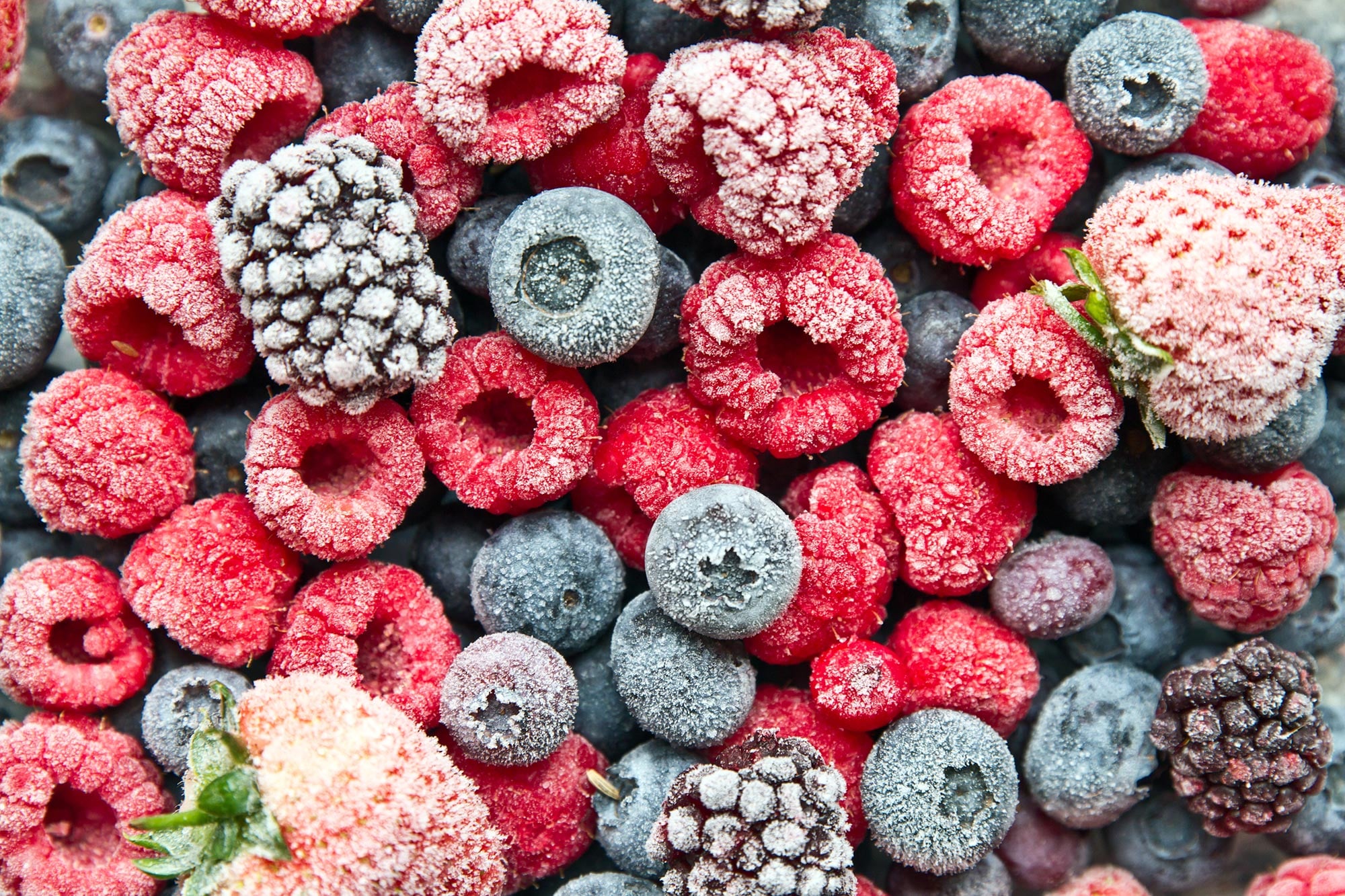
Frozen and canned produce may be a surprisingly healthy alternative to fresh fruit and vegetables.
You probably know fruit and vegetables are good for you, and most of us don’t eat enough of them.
But amid a cost-of-living crisis, buying more fresh food may not seem like a budget-friendly option.
Enter: canned or frozen fruit and veg.
These are usually cheaper and longer-lasting than fresh produce. But are they as healthy? Let’s unpack the research.
Recommended Daily Fruit and Vegetable Intake
Fruit and vegetables contain important vitamins, minerals, and fiber. These support overall well-being and reduce the risk of illnesses, such as heart disease and some cancers.
The Australian Guide to Healthy Eating recommends adults eat at least two servings of fruit and five servings of vegetables every day. This includes frozen and canned options.
For example, ½ a cup of frozen broccoli or ½ a cup of canned beans equals one serving of vegetables. One cup of canned peaches or one cup of diced, frozen mango equals one serving of fruit.
Cost Savings and Convenience Benefits
Most canned and frozen fruits and vegetables are cheaper than fresh produce.
As they generally come pre-chopped and ready to cook, they also cut down on preparation time.
Produce that is canned or frozen also has a much longer shelf life than fresh options. This means they are available year-round, and are less likely to spoil and have to be thrown out.
Nutritional Value of Frozen and Canned Produce
Frozen and canned fruit or veg generally retains its original nutritional value—sometimes better than fresh produce.
For example, the nutritional value of most frozen and canned products is equivalent to fresh fruit and vegetables that have been in the fridge for a week.
But the process of preserving certain foods may actually increase their nutrient content. Apricots are one example, with frozen apricots having a much higher vitamin C content than fresh apricots. This is because vitamin C is used to help preserve the fruit.
Freezing uses low temperatures to delay food spoilage. Industrial freezing methods are effective at retaining the color and textural qualities of fruits and vegetables while also maintaining their nutritional content.
Freezing and Canning Drawbacks
However, freezing may damage the structure of food if it causes ice crystals to develop. This can reduce the nutrient content of fruits and vegetables and make them mushy, especially if you thaw and re-freeze them.
Frozen fruits and vegetables are at risk of being contaminated with the bacteria Listeria monocytogenes, which can cause food poisoning. But cooking fruits or vegetables before eating them reduces this risk.
The canning process involves sterilizing foods at high temperatures so they can be safely stored at room temperature for long periods. However, being exposed to high temperatures causes some nutrients in the food to break down, especially water-soluble vitamins such as vitamin C. But advances in canning technology are allowing the process to be done faster and at lower temperatures, meaning fewer nutrients are lost.
Choosing Healthier Canned Foods
There are some things to look out for when purchasing canned fruit or vegetables.
Canned vegetables can have a high salt content, so it’s best to choose products that say “no added salt”. You can also check the nutrition information panel and look for options with the lowest sodium content. Draining and rinsing canned veggies before eating them can also help reduce the amount of salt you eat.
For baked beans in sauce, the sauce may contain added sugar and salt. If you eat baked beans regularly, it’s worth finding a salt-reduced option to help lower your sodium intake.
To help reduce your sugar consumption, choose canned fruit options that are canned in juice rather than syrup. Some may also say “no added sugar” on the package.
Easy Ways to Use Frozen and Canned Foods
Canned fruits can be eaten as a snack on their own or with cereal or yogurt. In many recipes, you can often replace fresh fruit with frozen and canned options.
Frozen veggies are great for whipping up a quick meal. For example, frozen peas and edamame only need a few minutes to cook, so they can be added last minute to a stir-fry or stew.
Adding a tin of lentils, chickpeas, or beans can bulk out a stew or pasta sauce while boosting your fiber and protein intake. Given they are already cooked, you can also toss them into a salad that will keep you fuller for longer. Just remember to rinse them first.
Dried Beans and Fruits: Are They Better?
Compared to tinned versions, dried beans, chickpeas, and lentils–which are all excellent sources of fiber and protein—are even better value and also have a long shelf life. But they can take longer to prepare.
Depending on the product, dried beans, chickpeas, and lentils may need soaking prior to cooking or may be ready to add straight to the pot. If in doubt, check the instructions on the back of the packet.
Dried fruits are not recommended as an everyday alternative to fresh, frozen, or canned fruit. This is because drying makes them more highly concentrated in sugar. But you can enjoy them as an occasional snack.
Adapted from an article originally published in The Conversation.
Never miss a breakthrough: Join the SciTechDaily newsletter.
Follow us on Google and Google News.
Full article can be found at: https://scitechdaily.com/the-surprising-reason-frozen-fruit-may-be-just-as-nutritious-as-fresh/


