



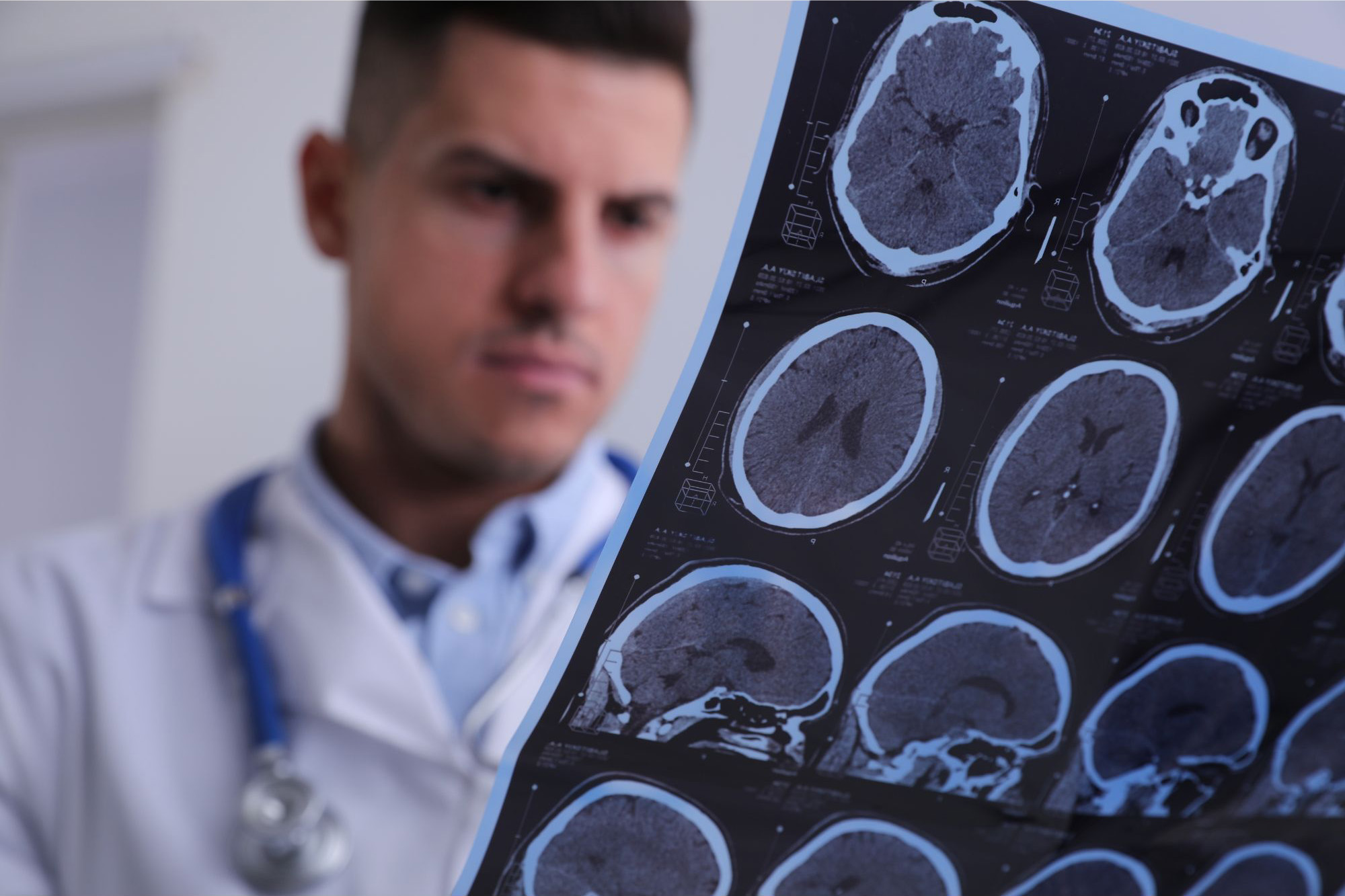
Sleep disorders are associated with shared and distinct structural changes in brain systems that support attention, decisions and emotional control.
A poor night’s sleep can affect far more than energy the next day. Research from Florida International University links sleep disorders with structural differences in brain regions that help control attention, motivation and decision-making.
Published in the journal Scientific Reports, the findings provide one of the broadest comparisons yet of how different sleep disorders are associated with the brain. The results could eventually support earlier diagnosis and treatments tailored to specific conditions.
Multiple disorders reveal shared brain changes
An estimated 50 to 70 million Americans live with sleep disorders. To search for common neurological patterns, researchers at FIU’s Center for Children and Families conducted a meta-analysis combining results from 57 brain imaging studies.
Rather than examining one condition at a time, the researchers compared two broad categories. Dyssomnias, such as insomnia and sleep apnea, interfere with falling asleep or remaining asleep. Parasomnias, including sleepwalking, nightmare disorder and sleep terrors, involve unusual events that disrupt the sleep cycle.
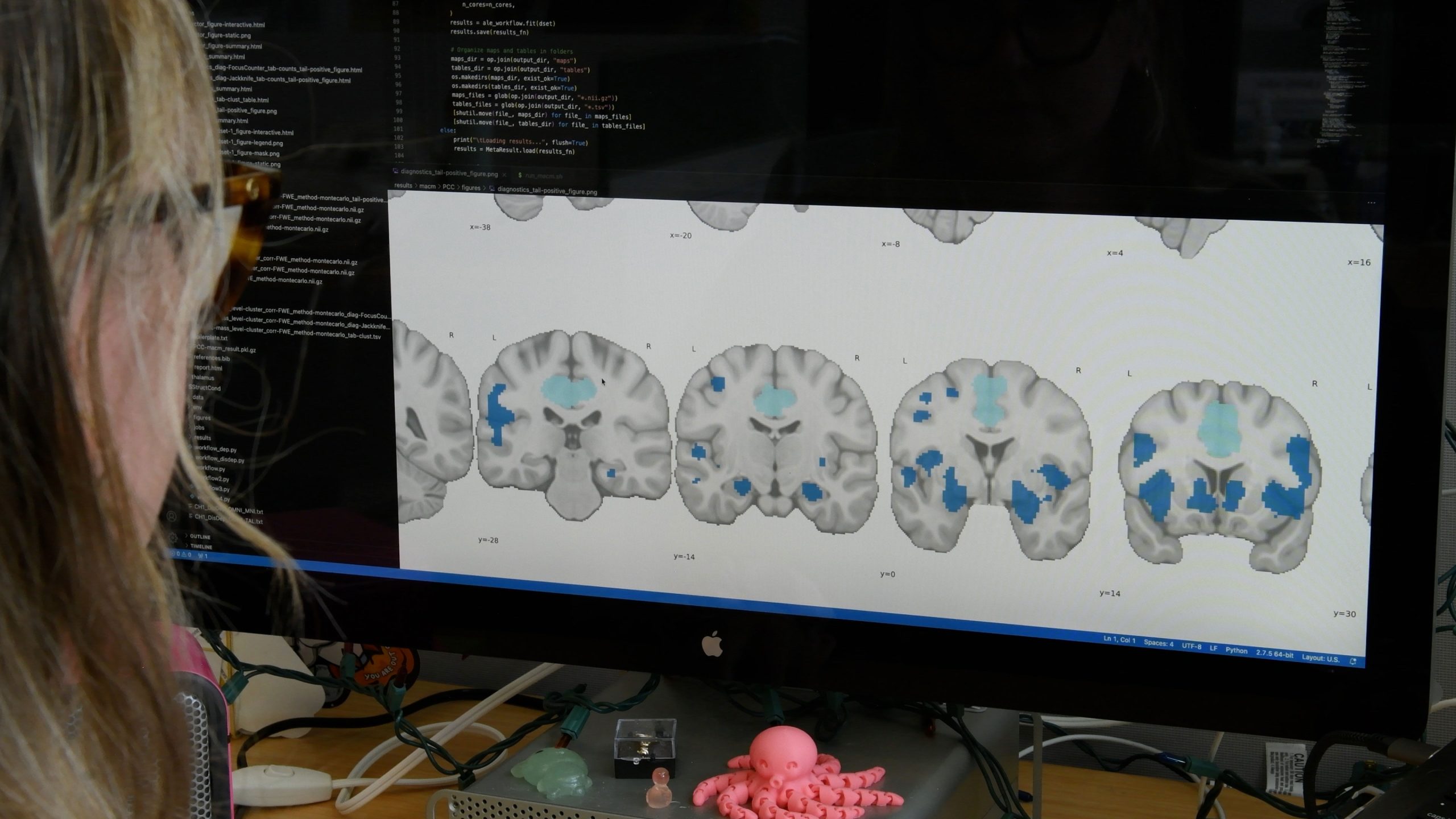
“As more people recognize how important sleep is, there’s growing urgency to understand what’s happening in the brain,” said Matthew Sutherland, a cognitive neuroscientist at FIU and senior author of the study. “By bringing together results from many studies, this research gives us a clearer picture of how sleep disorders affect brain structure and function and where we need to focus next.”
Attention centers show a common decline
Both categories were associated with decreases in the thalamus, a region that filters incoming information, supports concentration, and contributes to higher-level thinking. The researchers identified changes specifically in the pulvinar, an area within the thalamus that directs attention and helps manage cognitive control.
These differences were connected with wider brain networks that support concentration and task performance. That pattern may help explain why disrupted sleep is associated with slower reactions, poorer decision-making and a greater likelihood of errors and accidents.
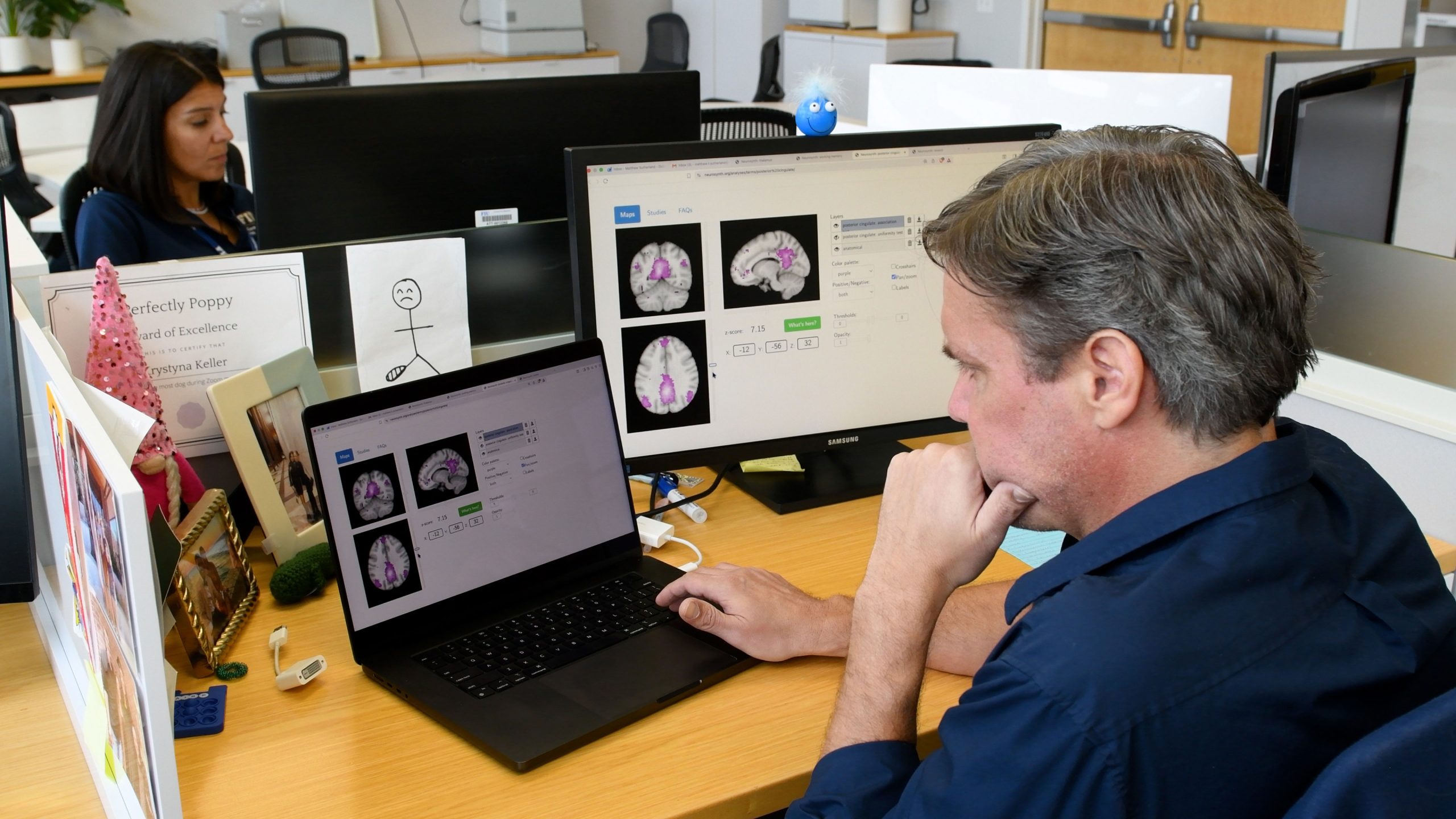
“Most research looks at sleep disorders one at a time,” said Katharine Crooks, a recent FIU cognitive neuroscience doctoral graduate and lead author of the study. “By looking across many studies, we found shared patterns in the brain that help explain why sleep problems can impact focus, decision-making and everyday functioning. With so many people struggling with sleep, understanding what is happening in the brain is key to finding better interventions, diagnostic tools and personalized treatments.”
Parasomnias affect emotional control regions
Parasomnias also showed a distinct structural pattern. Researchers detected changes in the posterior cingulate cortex, which contributes to motivation, decision-making and emotional regulation. The finding may help account for the shifts in mood, behavior and emotional control sometimes experienced by people with these disorders.
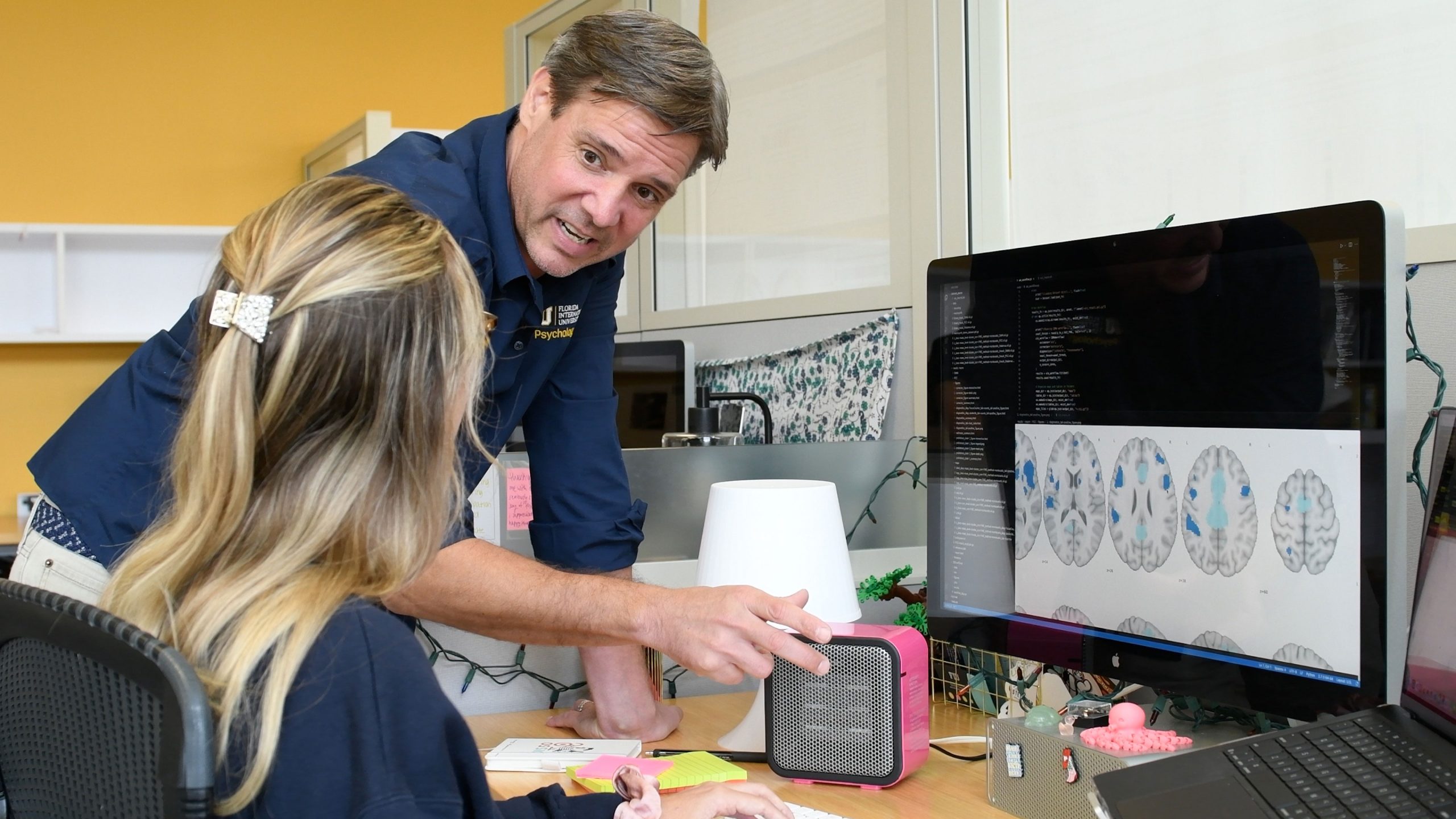
No consistent structural differences were found specifically for dyssomnias. This contrast suggests that the brain patterns associated with sleep disorders may vary according to the way each condition interrupts sleep.
Cause and consequence remain unresolved
The researchers hope the results can guide interventions that improve sleep while also protecting brain systems involved in attention, decision-making and emotional regulation.
Future work will focus on individual parasomnias, including sleepwalking and REM sleep behavior disorder. Researchers also plan to determine whether the observed brain changes contribute to sleep disorders, develop because of them, or reflect a combination of both.
Reference: “Sleep disorders and structural alterations in brain regions linked with motivation: a neuroimaging meta-analysis” by Katharine E. Crooks, Chloe L. Hampson, Julio A. Peraza, Patricio M. Viera Perez and Matthew T. Sutherland, 26 February 2026, Scientific Reports.
DOI: 10.1038/s41598-026-40818-7
Funding: Foundation for the National Institutes of Health
Never miss a breakthrough: Join the SciTechDaily newsletter.
Follow us on Google and Google News.
Full article can be found at: https://scitechdaily.com/sleep-disorders-dont-just-exhaust-you-new-research-shows-they-change-your-brain/


