



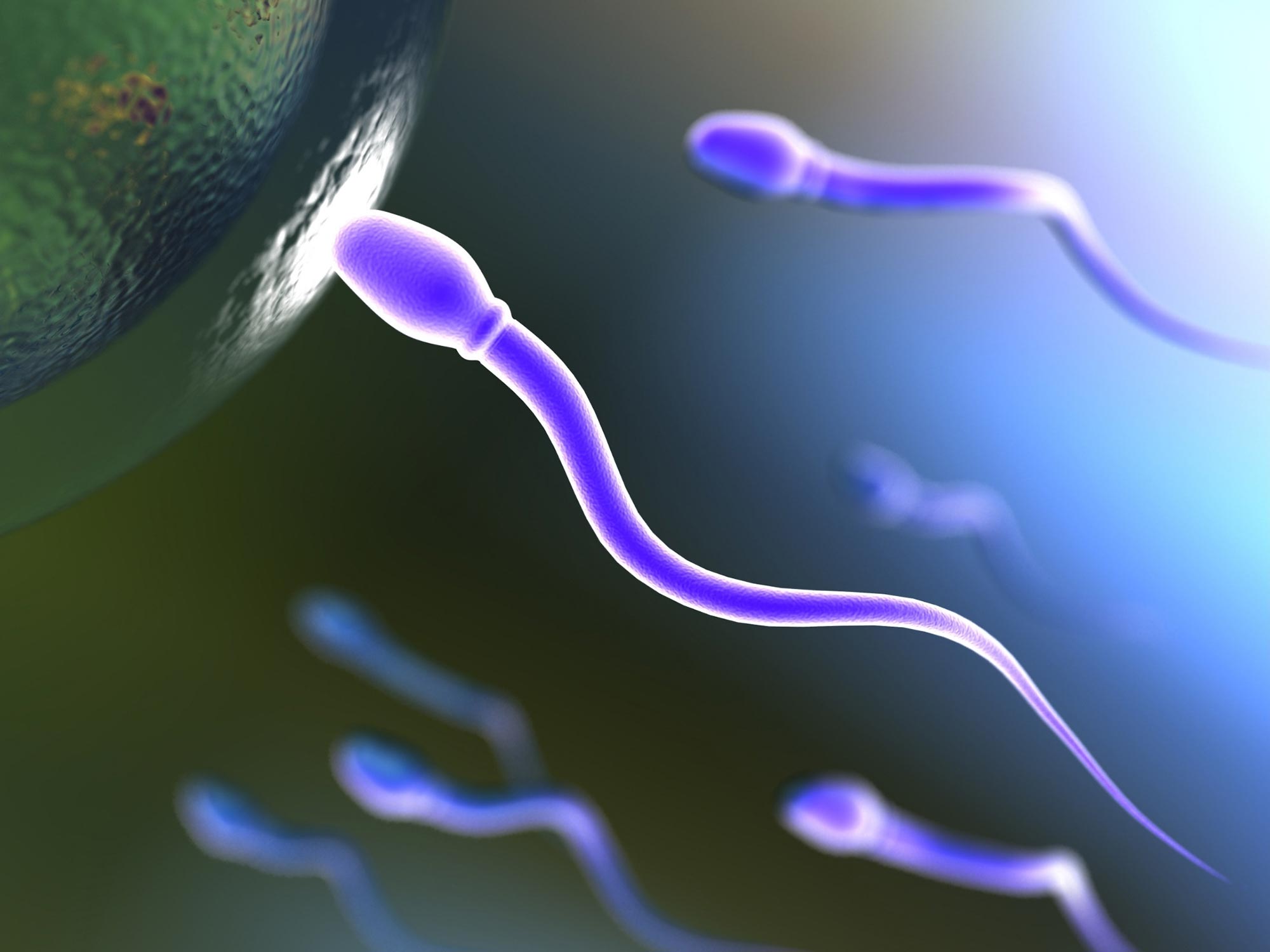
Stored sperm may age faster than reproductive medicine has assumed, suggesting that shorter abstinence periods could benefit fertility outcomes.
For decades, men undergoing fertility testing or treatment have often been advised to abstain from ejaculation for several days beforehand, based on the assumption that longer storage allows sperm counts to build up. But a major new study led by researchers at the University of Oxford suggests that this common practice may come with an overlooked cost: the sperm themselves may begin to age.
Drawing on data from nearly 55,000 men and dozens of animal species, the researchers found that sperm quality tends to decline the longer sperm are stored, regardless of the male’s age. More frequent ejaculation, whether through sex or masturbation, was consistently associated with healthier sperm and lower levels of DNA damage. The findings challenge long-standing recommendations and offer new insight into a little-appreciated aspect of reproduction: sperm can age independently of the body that produces them.
The team analyzed 115 human studies involving 54,889 men, along with 56 studies covering 30 non-human species. Across insects, birds, mammals, and other animals, they found evidence that mature sperm deteriorates during storage, a process known as post-meiotic sperm senescence. This decline can reduce sperm performance, fertilization success, and even embryo quality, helping explain why the timing of ejaculation may play a larger role in fertility than previously thought.
In humans, longer periods without ejaculation were linked to more sperm DNA damage and oxidative stress, as well as lower sperm motility and viability.
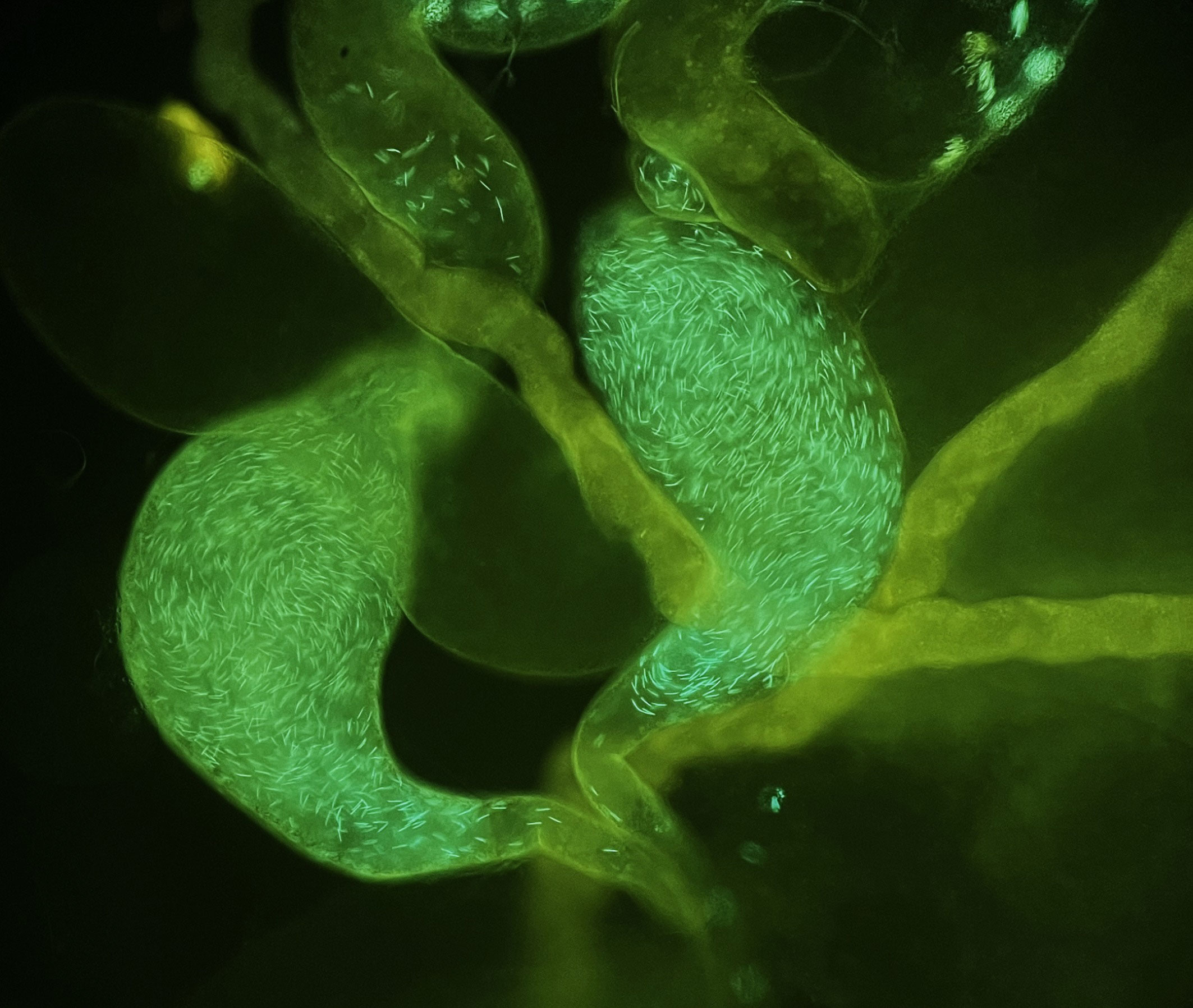
Co-lead author Dr Rebecca Dean (Department of Biology, University of Oxford) said: “Because sperm are highly mobile and have minimal cytoplasm, they quickly exhaust their stored energy reserves and have limited capacity for repair. This makes storage particularly damaging compared to other types of cells. Our study highlights how regular ejaculation can provide a small but meaningful boost to male fertility.”
Differences between males and females
Both male and female animals use sperm storage as part of reproduction (in humans, sperm can last for several days in females, but the effects of such storage are unknown). In males, storage helps ensure that enough sperm are available for mating. In females, it can make reproduction possible when males are limited or absent. The study found, however, that sperm quality declines at different rates in males and females. Across the species examined, females were generally better at maintaining sperm quality over longer periods.
“This likely reflects the evolution of female-specific adaptations, such as specialized storage organs that provide antioxidants to extend sperm viability”, explained senior author Dr. Irem Sepil (Department of Biology, University of Oxford). “These organs often secrete reproductive fluids to nourish sperm and could provide unexplored avenues for biomimicking technology to improve artificial sperm storage in the future.”
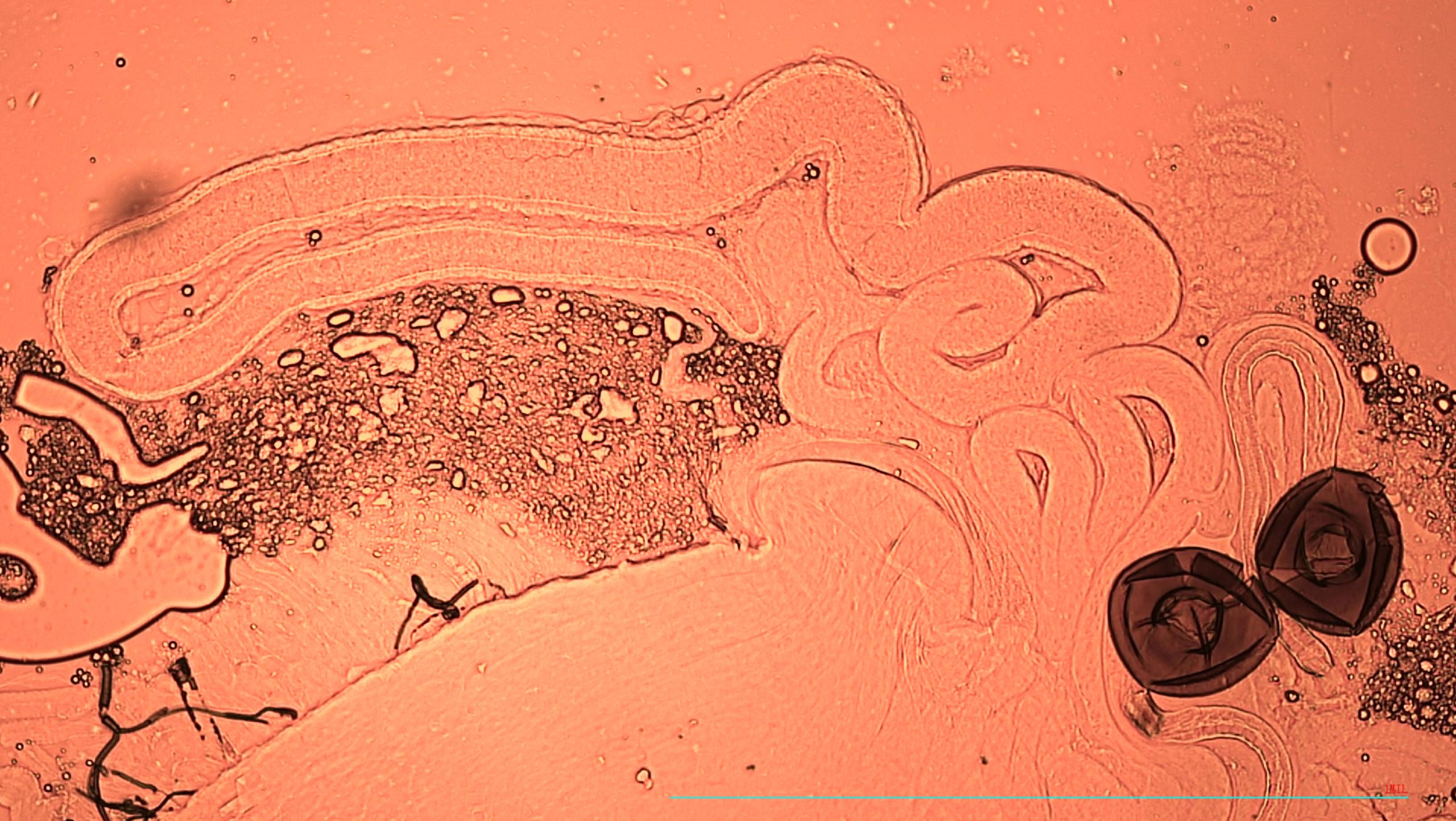
Lead author Dr Krish Sanghvi (Department of Biology, University of Oxford) added: “Ejaculates should be viewed as populations of individual sperm which undergo birth, death, ageing and selective mortality. The rates of these demographic processes can differ in males and females, mediating the ‘demographic’ structure of sperm populations and sex-specific differences in sperm storage effects.”
Implications for human fertility
Reproductive medicine has largely overlooked the fact that sperm can age in both sexes independently of the age of the organism. The findings may therefore have direct relevance for clinical practice. For example, the results suggest that the seven-day upper limit in the WHO guidelines may be too long.
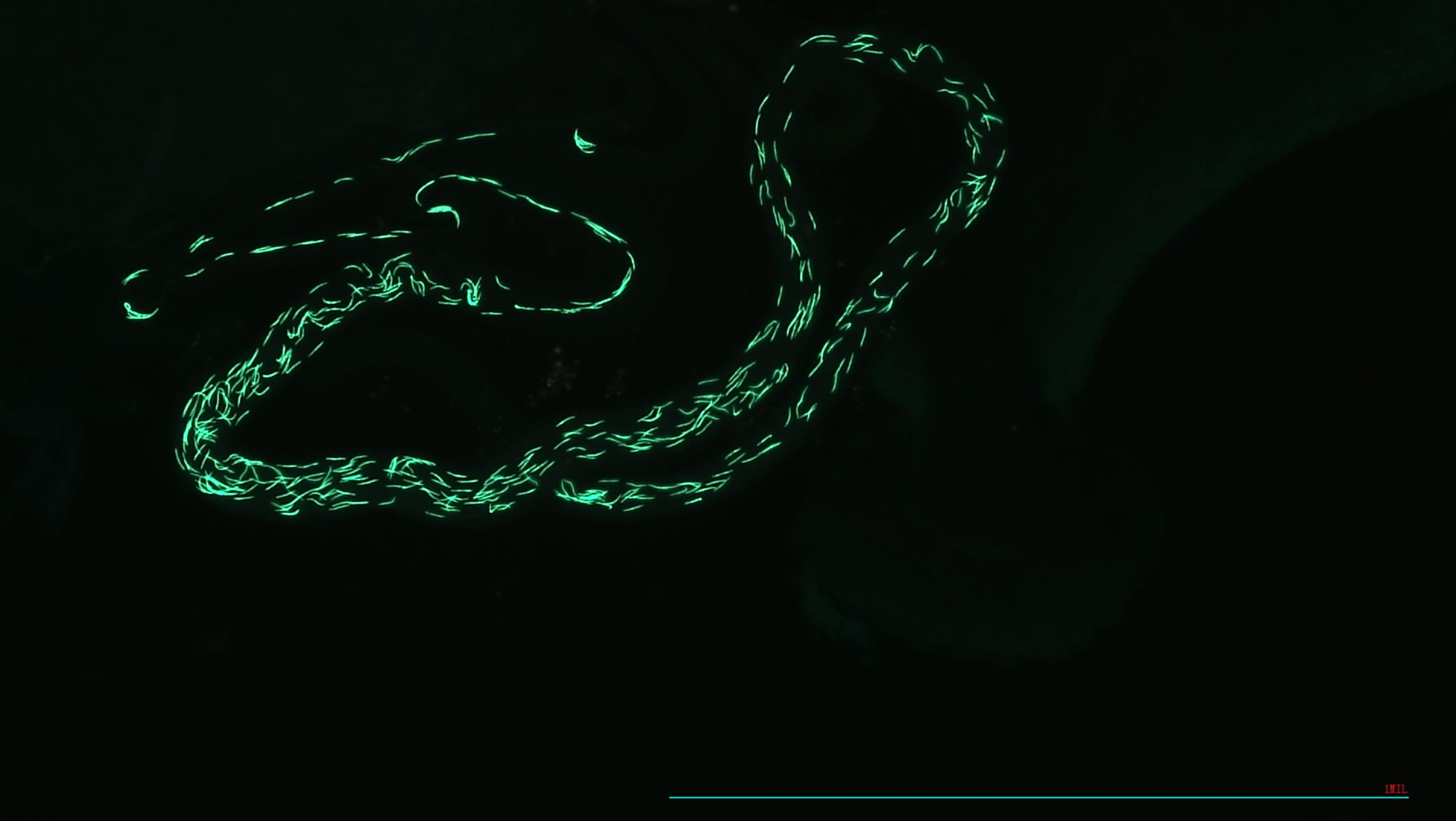
This is consistent with recent evidence indicating that ejaculation within 48 hours before providing a sample can significantly improve IVF outcomes.
By connecting biomedical and zoological research, the study offers a new way to understand reproduction. In addition to informing fertility clinic and assisted reproduction protocols, the findings could help captive breeding programs for endangered species. They may also deepen understanding of how different species evolved ways to limit sperm damage during storage.
“Sperm storage causes sperm senescence in human and non-human animals” by Krish Sanghvi, Rebecca Dean, Shinichi Nakagawa, Klaus Reinhardt, Irem Sepil and Regina Vega-Trejo, 25 March 2026, Proceedings of the Royal Society B: Biological Sciences.
DOI:10.1098/rspb.2025.3181
R.D. was supported by a Daphne Jackson Fellowship [NERC]. I.S. was supported by a BBSRC Fellowship [BB/T008881/1] and a Royal Society Dorothy Hodgkin Fellowship [DHFR1211084]. R.V.-T. was supported by a BBSRC standard grant awarded to Tommaso Pizzari [BB/V001256/1].
Never miss a breakthrough: Join the SciTechDaily newsletter.
Follow us on Google and Google News.
Full article can be found at: https://scitechdaily.com/scientists-say-frequent-ejaculation-may-improve-sperm-quality-and-fertility/


