



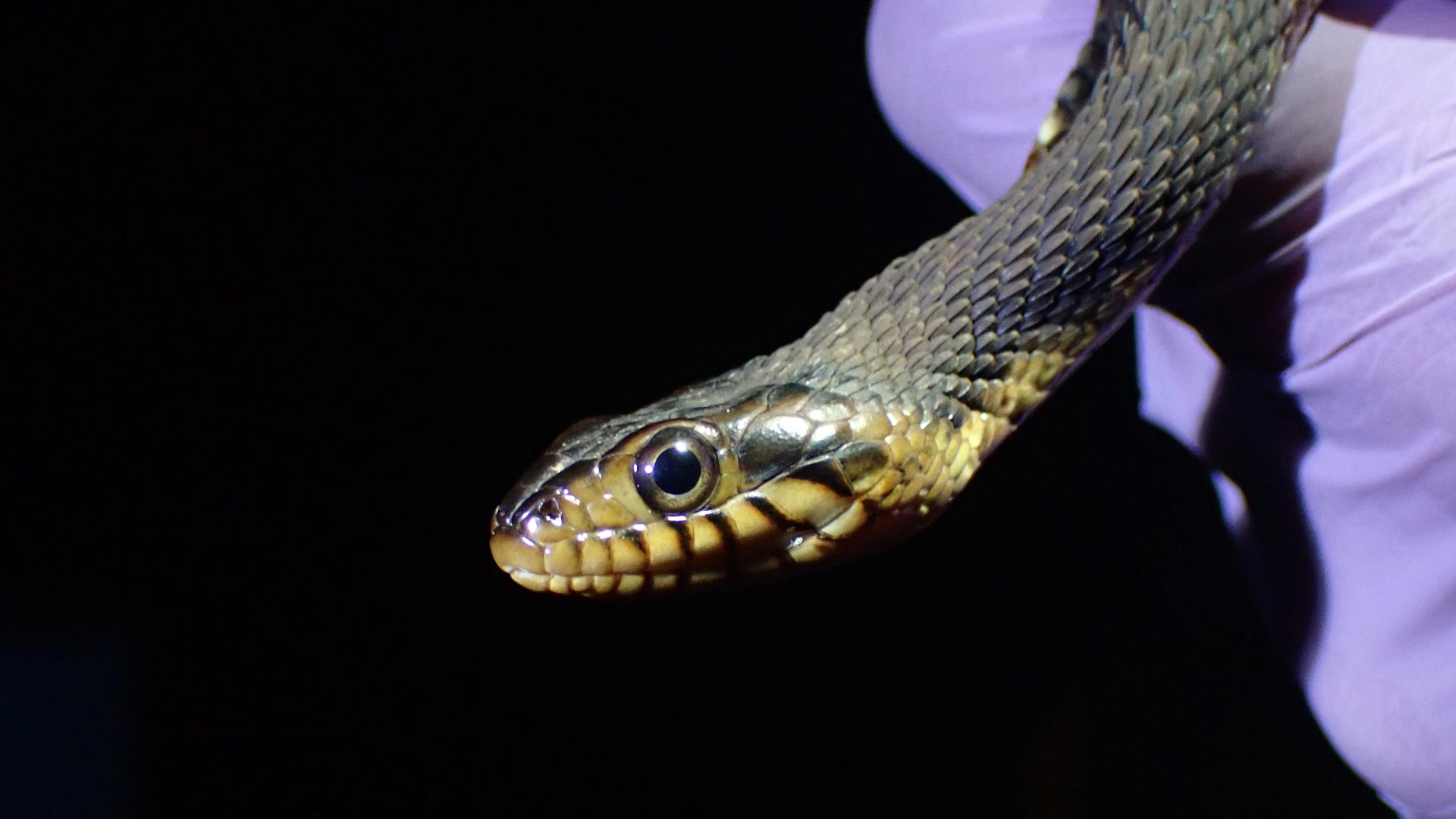
A hidden wave of fungal disease and lung parasites is putting wild rattlesnakes and other native snakes at risk.
Snake populations around the world are under increasing pressure from habitat loss, disease, and other environmental challenges. Among the diseases drawing the most concern is ophidiomycosis, commonly known as snake fungal disease, which is caused by the fungus Ophidiomyces ophidiicola (Oo). Since it was first identified about two decades ago, the disease has been detected in numerous snake species.
To better understand the health of wild snakes, researchers in the southeastern United States examined the prevalence of seven different pathogens across native snake populations. Their goal was to compare infection patterns over time, across locations, and among different species. The findings were published in Frontiers in Veterinary Science.
“The fungus Oo and the parasite Raillietiella orientalis (Ro), appear to be the most important infectious agents in free-ranging snakes in the southeastern US,” said first author Dr. Corinna Mishin (formerly Corinna Hazelrig), a researcher at the University of Georgia. “We also show that increased risk of ophidiomycosis was strongly associated with coinfections in free-ranging native snakes.”
Surveying Snake Health Across the Southeast
The study, funded by the Morris Animal Foundation, included more than 500 snakes representing 29 species. Researchers captured most of the animals at wildlife refuges in South Carolina and Florida, while additional samples were collected opportunistically throughout the southeastern United States.
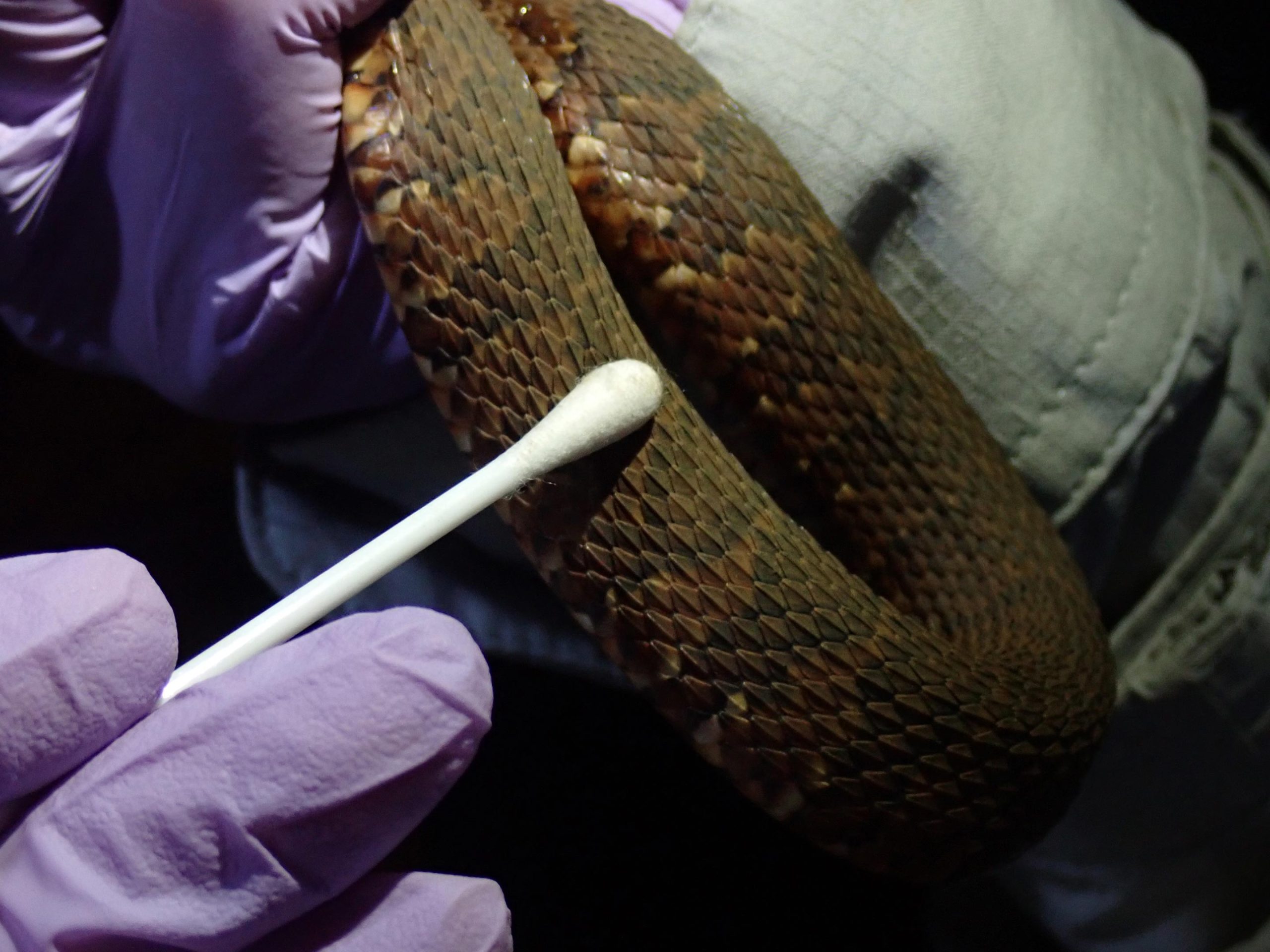
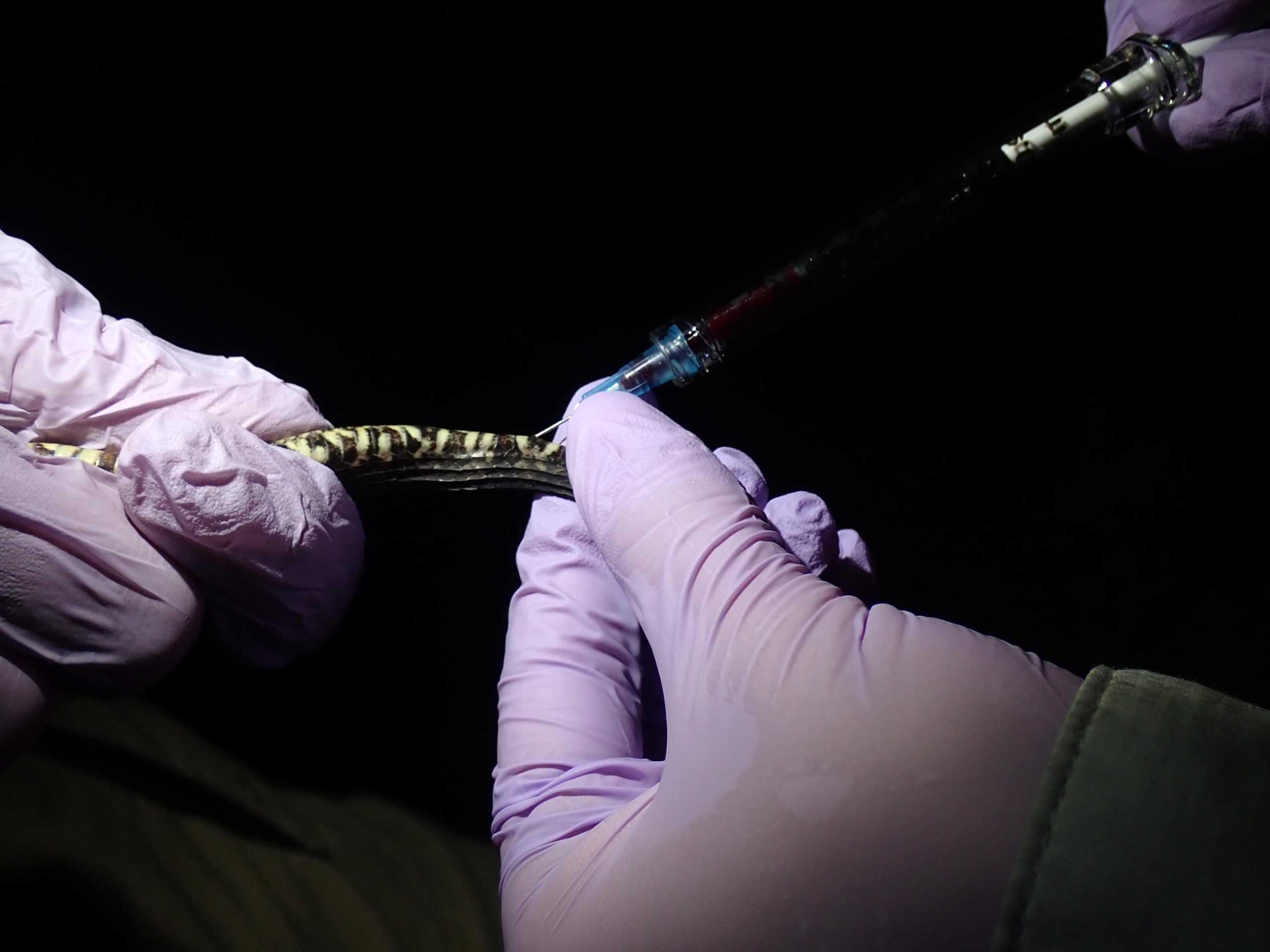
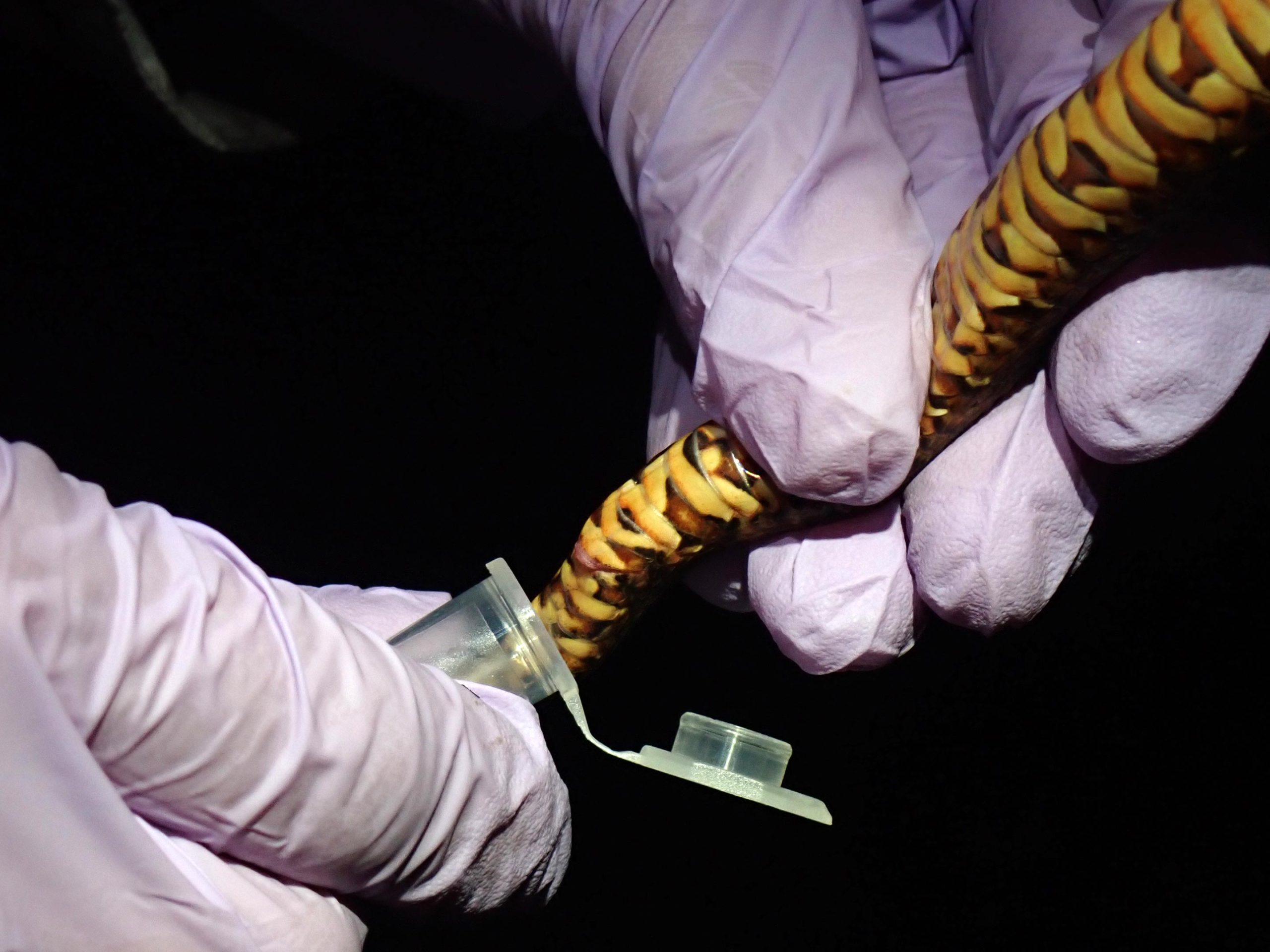
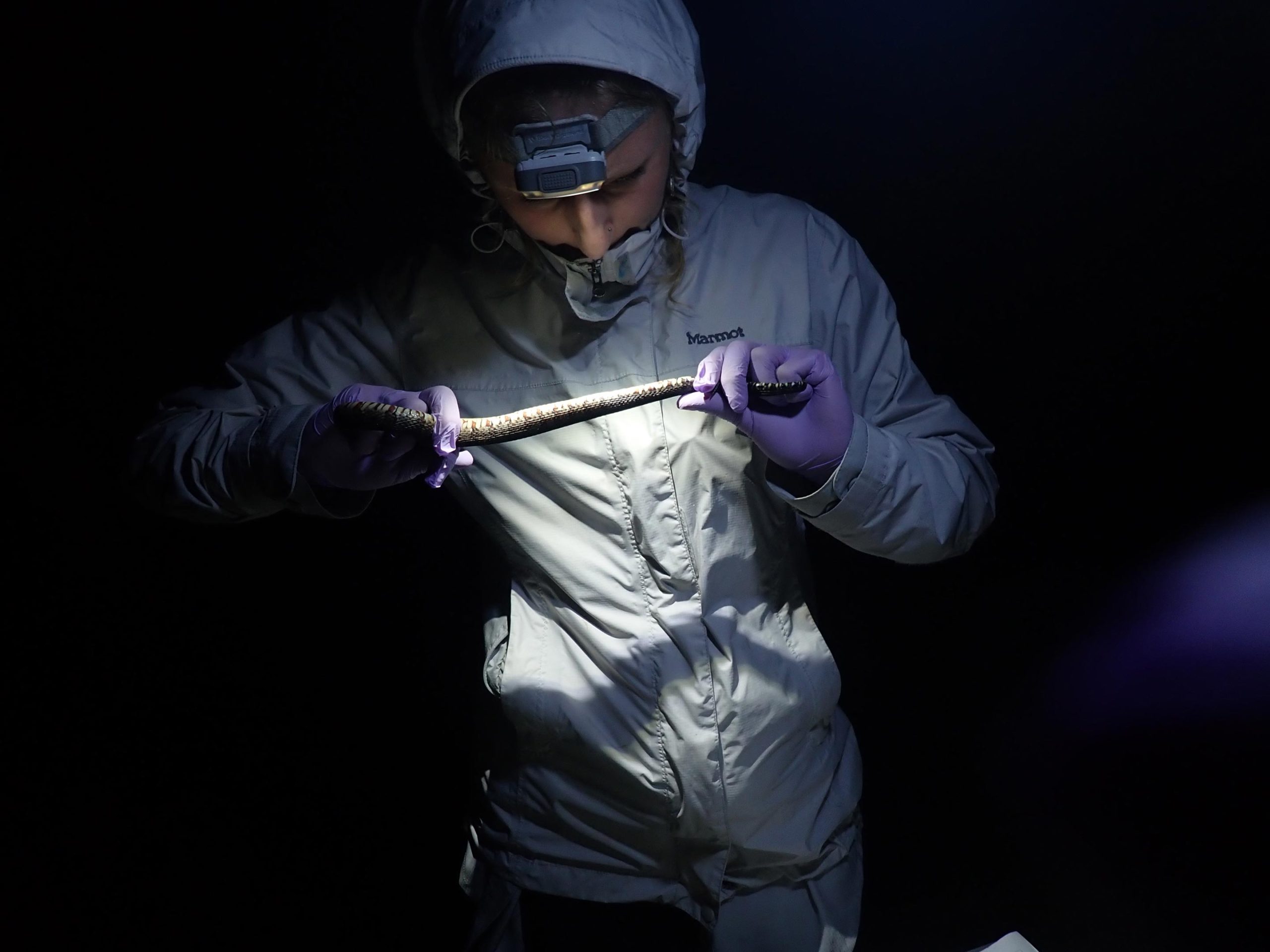
Most snakes were captured alive, swabbed, and sampled for blood. Researchers also examined a small number of snake carcasses found along roads or in the field, conducting full postmortem evaluations that included tissue collection.
“For around 10 years, free-ranging snake research almost solely focused on Oo. We wanted to evaluate snake health on a more comprehensive level and really establish a broader view,” Mishin said.
The results revealed that only about 20% of the snakes tested showed no evidence of any of the pathogens included in the study.
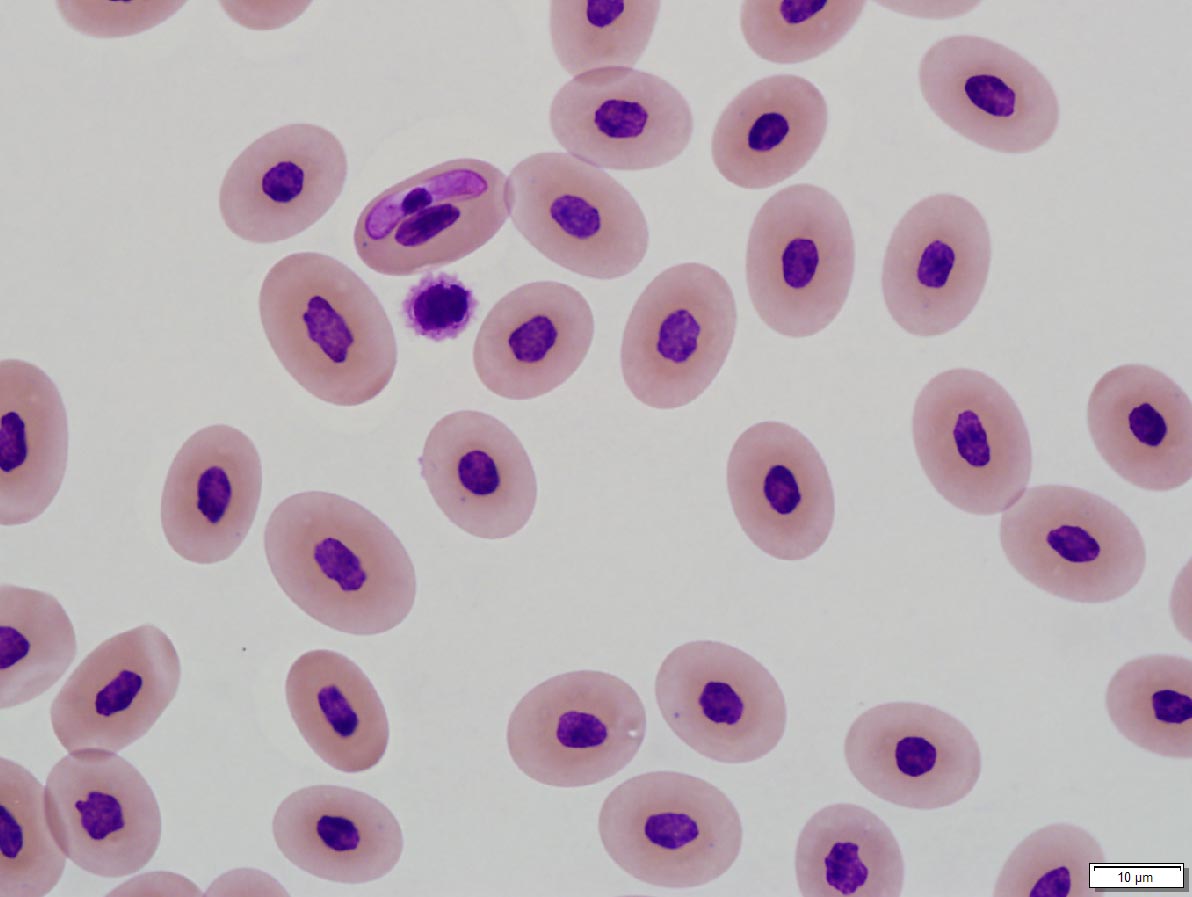
The most frequently detected pathogen was the bacterium Salmonella enterica, which was found in 63% of snakes. Another common infection was Hepatozoon spp., a tick-borne parasite detected in 53% of the animals.
Researchers also identified Mycoplasma spp. in 18% of snakes. This antibiotic-resistant bacterium can cause upper respiratory disease and had not previously been reported in wild snakes in the United States.
Multiple Infections Common in Wild Snakes
Coinfections were widespread. Nearly 44% of snakes carried more than one pathogen at the same time.
About 29% of snakes hosted two pathogens, while roughly 11% carried three. Another 3% were infected with four pathogens simultaneously.
“When an animal has become sick from an infection, their immune system is compromised, which increases the risk of further disease exacerbation from other infectious agents that may have once been subclinical,” Mishin explained.
Rattlesnakes Show High Disease Risk
The study found that infection patterns varied significantly by species.
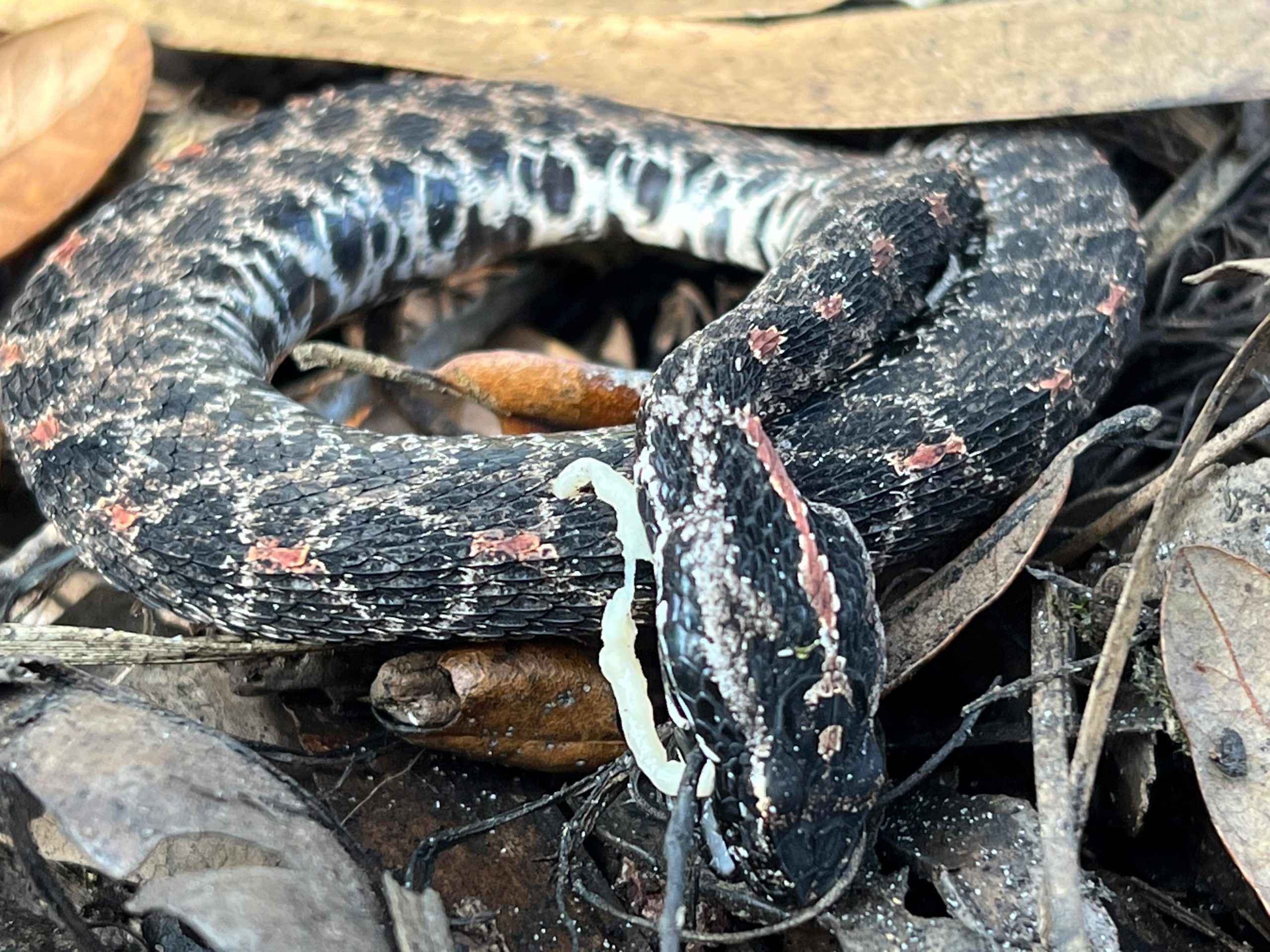
Pygmy rattlesnakes were especially likely to be infected with snake fungal disease. Of the 34 rattlesnakes tested, 12 were positive for Oo, and many showed visible signs of illness. By comparison, only one of 55 eastern ribbon snakes and three of 36 ring-necked snakes tested positive.
Researchers also found that pygmy rattlesnakes were particularly susceptible to Ro, an invasive parasitic crustacean commonly called the snake lungworm. Fourteen of the 34 rattlesnakes carried the parasite.
In other snake species, Ro occurred much less frequently and was completely absent in some groups, including Florida green watersnakes.
“We hypothesize that certain species with poorer general population health, specifically rattlesnakes with historic and current increased risks of human persecution, are likely more susceptible to infection with subsequent disease,” said Mishin. “In addition, pygmy rattlesnakes were expected to have an increased prevalence of Ro, as they primarily consume lizards and frogs which are known to transmit the parasite.”
Location and Skin Lesions Influence Infection Rates
Geography also played a role in infection patterns.
Snakes sampled in Georgia were far more likely to test positive for Oo, while Ro was detected only in snakes from Florida.
Visible skin lesions were another strong indicator of fungal infection. More than 30% of snakes with skin lesions tested positive for snake fungal disease, compared with only 2% of snakes that showed no lesions.
Implications for Conservation and Wildlife Management
The researchers note several limitations to the study. Most sampling occurred within a relatively small number of counties, meaning the results may not fully represent snake populations throughout the region.
The team also pointed out that detecting Ro in living snakes can be difficult because testing relies on fecal samples. Since snakes may go long periods between meals, suitable samples are not always available. As a result, the true prevalence of the parasite is likely higher than reported.
Even with these limitations, the findings provide valuable information for wildlife conservation and invasive species management.
Both Burmese pythons and brown anoles, which are invasive species in the United States, are known hosts of Ro. Understanding which pathogens native snakes already carry and which they have not previously encountered could help reduce future disease spread.
“Our data provide important information on which pathogens native snakes may likely have but also which they are likely naïve to. This can inform actions needed to prevent pathogen spillover from captive snakes,” Mishin concluded. “When translocating wildlife, it’s essential to consider which pathogens may be translocated with them – and the potential downstream effects.”
Reference: “Health assessment and multipathogen surveillance of free-ranging snakes in the southeastern United States” by Corinna M. Mishin, Terence M. Farrell, Jenna N. Palmisano, Robert J. Ossiboff, Makaylah McCray, Ellen Haynes, John C. Maerz, Kristina Meichner, Jian Zhang, Kayla B. Garrett, Michael J. Yabsley, Jason Ortega, Christopher A. Cleveland and Nicole M. Nemeth, 27 March 2026, Frontiers in Veterinary Science.
DOI: 10.3389/fvets.2026.1754420
Never miss a breakthrough: Join the SciTechDaily newsletter.
Follow us on Google and Google News.
Full article can be found at: https://scitechdaily.com/scientists-discover-a-hidden-disease-crisis-spreading-through-wild-snakes/


